How to Get the Most Out of Your Plumbing — Maintenance Tips to Extend System Lifespan
March 17, 2026
Your plumbing system is one of the most critical yet overlooked components of your property. From delivering clean water to safely removing waste, it works quietly behind the scenes every day. However, without proper maintenance, even the most durable plumbing systems can deteriorate, leading to costly repairs, water damage, and unexpected disruptions. In today’s homes and commercial spaces, where water usage continues to increase, proactive plumbing maintenance is no longer optional—it is essential for protecting infrastructure and extending system lifespan. Small inefficiencies, such as minor leaks or fluctuating water pressure, often signal deeper issues developing within the system. Ignoring these warning signs can gradually compromise structural materials, insulation, and surrounding finishes. Over time, deferred maintenance transforms manageable repairs into complex restoration projects. A strategic approach to plumbing care protects both the building and its long-term operational stability.
Understanding how to get the most out of your plumbing begins with recognizing that prevention is always more cost-effective than emergency repair. Routine inspections, timely upgrades, and informed usage habits can dramatically reduce wear and tear. Whether you manage a residential property or oversee a commercial facility, strategic plumbing care enhances efficiency, lowers utility costs, and safeguards long-term value. This guide explores practical, expert-backed maintenance tips designed to help property owners maximize performance, prevent failures, and ensure their plumbing systems remain reliable for years to come. By implementing consistent monitoring and partnering with qualified professionals when necessary, property owners gain greater control over system health. Preventative action not only extends equipment lifespan but also improves safety and compliance with modern building standards. A well-maintained plumbing system ultimately contributes to comfort, sustainability, and financial predictability.
Experienced Plumbing Professionals Ensuring System Longevity
1. Establish a Preventative Plumbing Maintenance Routine
- Why Preventative Maintenance Matters
Preventative plumbing maintenance is the foundation of system longevity. Pipes, fixtures, and drainage systems are constantly exposed to pressure, temperature changes, mineral buildup, and environmental stress. Over time, small issues such as minor leaks or slow drains can escalate into major structural concerns.
A structured maintenance plan helps detect early warning signs before they turn into expensive emergencies. Regular check-ups reduce the risk of burst pipes, sewer backups, and hidden water damage. For property owners, this translates to fewer disruptions and predictable maintenance costs rather than unexpected financial strain.
- Key Components of a Maintenance Schedule
A comprehensive plumbing maintenance routine should include:
- Inspecting exposed pipes for corrosion, leaks, or condensation
Checking water pressure to ensure it remains within safe limits - Examining supply lines under sinks and behind appliances
- Testing shut-off valves to confirm proper operation
- Inspecting visible joints and connections for weakness
Annual professional inspections provide an added layer of protection. Experienced technicians use specialized tools to identify hidden issues within walls or underground lines.
- Real-World Scenario
Consider a homeowner who ignores a small leak under the kitchen sink. Over months, moisture damages cabinetry and flooring, eventually requiring structural repairs. A simple inspection and washer replacement could have prevented thousands in repair costs. Preventative care is not an expense—it is a long-term investment in system durability.
2. Protect Your Pipes from Corrosion and Freezing
Understanding Pipe Deterioration
Pipe materials—whether copper, galvanized steel, or PEX—have a finite lifespan. Corrosion occurs gradually due to water chemistry, mineral content, and oxygen exposure. Left unchecked, corrosion narrows pipe diameter, reduces water flow, and increases the risk of leaks.
In colder climates, freezing presents an additional threat. Water expands as it freezes, placing immense pressure on pipe walls. Even a small frozen section can cause a rupture.
Strategies to Prevent Corrosion
To extend pipe lifespan:
- Monitor water quality and install water treatment systems if needed
- Replace outdated galvanized pipes before failure occurs
- Maintain balanced water pressure to reduce stress on joints
- Flush your water heater annually to remove sediment
Water softeners can significantly reduce mineral buildup in hard water regions. Less scaling means better flow efficiency and reduced internal wear.
Preventing Frozen Pipes
Insulating exposed pipes in basements, crawlspaces, and exterior walls is critical. During extreme cold, maintaining consistent indoor temperatures prevents freezing. Allowing faucets to drip slightly during severe conditions keeps water moving, reducing freeze risk.
A burst pipe often results in emergency repairs and extensive property damage. Proactive insulation and monitoring help eliminate this preventable risk.
3. Maintain Drainage Systems for Optimal Performance
The Impact of Drain Neglect
Clogged drains are more than an inconvenience. Repeated blockages increase pressure within pipes, strain connections, and can lead to sewer line damage. Over time, buildup from grease, soap residue, hair, and debris restricts flow efficiency.
In commercial environments, neglected drains can interrupt operations and create sanitation hazards. For residential properties, persistent clogs often indicate deeper system concerns.
Best Practices for Drain Maintenance
To preserve drainage performance:
- Avoid disposing of grease, coffee grounds, or food scraps down sinks
- Install strainers to catch hair and debris
- Use enzyme-based drain cleaners rather than harsh chemicals
- Schedule periodic professional drain cleaning
Hydro jetting, when performed by professionals, removes stubborn buildup without damaging pipe interiors. Unlike chemical cleaners, it does not contribute to corrosion.
Signs of a Larger Issue
Recurring slow drains, gurgling sounds, or foul odors may indicate partial sewer blockages. Early intervention prevents costly sewer line replacement. Proactive drain care ensures smooth wastewater removal and minimizes structural risk.
4. Optimize Water Heater Efficiency and Longevity
Why Water Heater Maintenance Is Essential
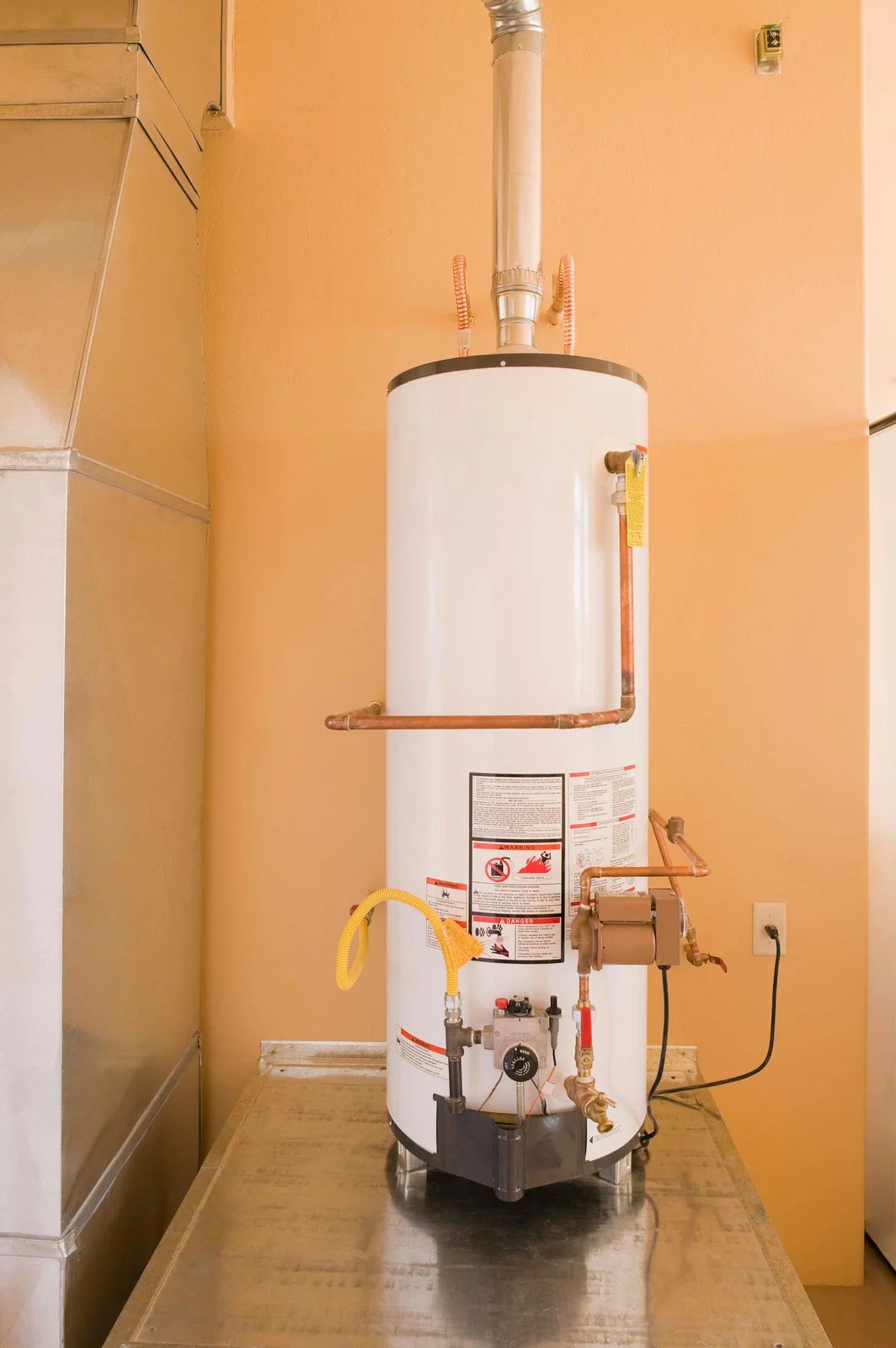
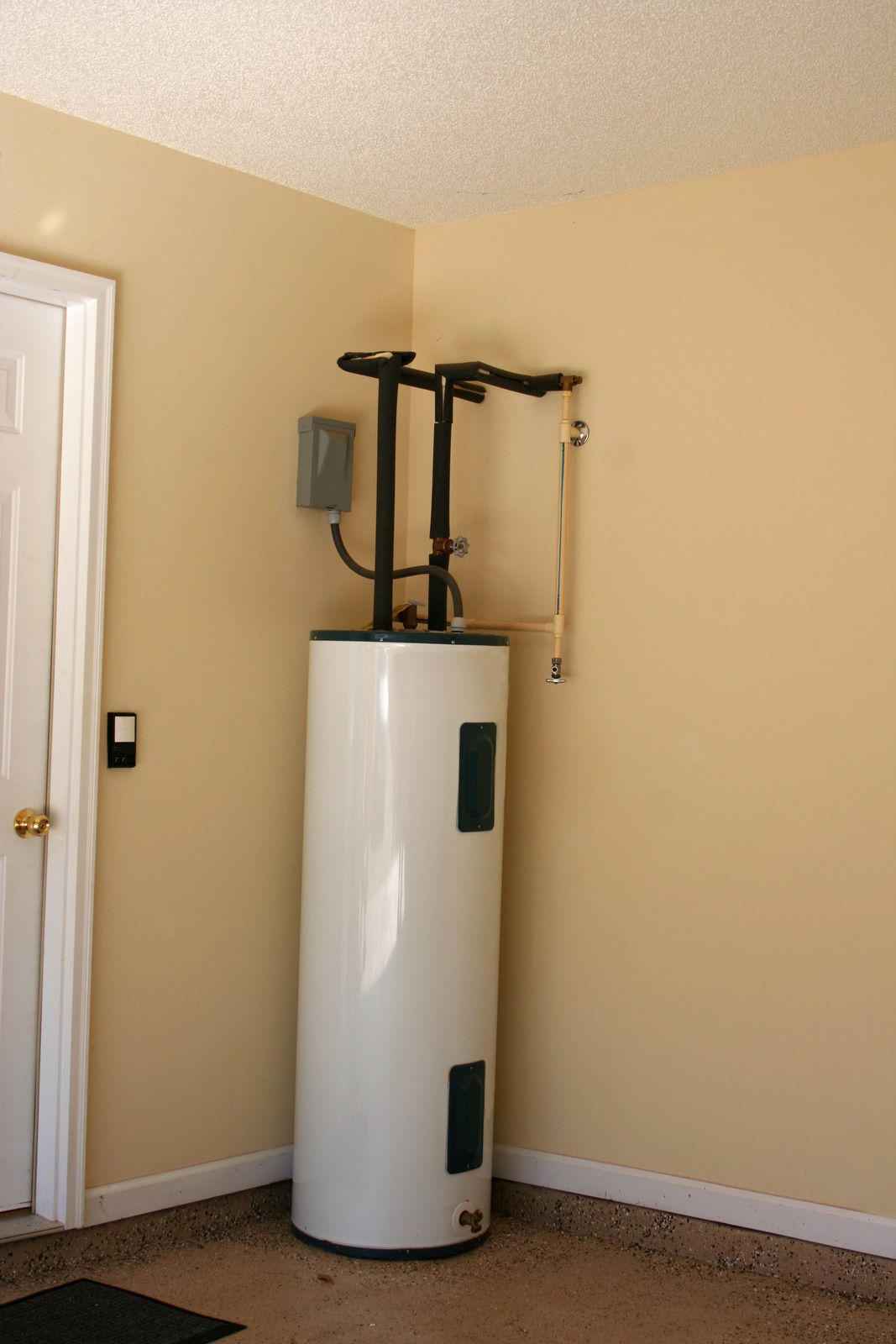
Water heaters operate under high temperature and pressure conditions. Sediment accumulation is one of the most common causes of premature failure. Minerals settle at the bottom of the tank, reducing efficiency and increasing heating time.
Without maintenance, sediment buildup causes overheating, tank corrosion, and eventual leaks. Replacing a failed water heater can be costly and disruptive.
Maintenance Best Practices
Extend water heater lifespan by:
- Flushing the tank annually
- Inspecting the anode rod every 2–3 years
- Testing the temperature-pressure relief valve
- Setting thermostat temperatures to recommended levels
Tankless systems also require descaling to prevent mineral accumulation. Routine servicing maintains energy efficiency and consistent hot water supply.
Cost-Saving Benefits
A well-maintained water heater consumes less energy. Reduced strain on components lowers utility bills and minimizes emergency breakdowns. Proactive servicing can add years to the system’s operational life.
5. Monitor Water Pressure and Usage Habits
The Hidden Impact of High Water Pressure
While strong water pressure may feel convenient, excessive pressure places constant strain on pipes, joints, and fixtures. Over time, this stress leads to leaks, weakened seals, and appliance damage.
Ideal residential water pressure typically ranges between 40 and 60 psi. Levels above this threshold accelerate wear and shorten system lifespan.
How to Regulate Pressure
Installing a pressure-reducing valve ensures safe operating levels. Regular testing with a pressure gauge provides insight into system performance. If fluctuations occur, professional evaluation may be necessary.
Responsible Water Usage
Usage habits also influence longevity. Slamming faucet handles, overloading garbage disposals, and neglecting small drips contribute to long-term damage. Educating occupants about responsible water use reduces unnecessary stress on plumbing infrastructure.
In multi-unit buildings, monitoring consumption trends can reveal hidden leaks. Unexpected spikes in water bills often signal system inefficiencies requiring immediate attention.
6. Upgrade Fixtures and Components Strategically
Knowing When to Replace Rather Than Repair
Not all plumbing components are designed for indefinite use. Aging fixtures, supply lines, and valves eventually degrade. Continually repairing outdated parts may cost more over time than strategic upgrades.
Modern plumbing fixtures offer improved durability, water efficiency, and advanced materials that resist corrosion. Upgrading proactively prevents sudden failure.
Focus Areas for Upgrades
Key components to evaluate include:
- Flexible supply lines older than ten years
- Shut-off valves showing signs of stiffness or leakage
- Aging toilets prone to frequent repairs
- Outdated sump pumps nearing end-of-life
Replacing aging components during planned maintenance reduces emergency disruptions.
Long-Term Value
Strategic upgrades enhance property value and improve operational reliability. Investing in quality materials and professional installation ensures proper performance. Property owners who adopt a lifecycle management approach experience fewer unexpected repairs and greater long-term cost control.
Dedicated Plumbing Specialists Delivering Quality Work
Maximizing the lifespan of your plumbing system requires consistent attention, informed decision-making, and proactive care. Preventative maintenance, pipe protection, proper drainage management, water heater servicing, pressure regulation, and timely upgrades all contribute to long-term performance and efficiency. Small, routine actions prevent structural damage, reduce emergency repairs, and preserve property value. By understanding how each component interacts within the larger system, property owners can make strategic choices that enhance durability and reduce operational costs.
Reliable plumbing is not achieved through reactive fixes but through disciplined maintenance and professional oversight. Investing in system care today ensures dependable functionality tomorrow, safeguarding both infrastructure and financial resources.
For property owners seeking dependable
plumbing expertise, Ogden Plumbing
in Kingston, Ontario brings 10
years of hands-on industry experience. With a strong reputation built on technical precision, preventative maintenance expertise, and client-focused service, the company understands the importance of extending plumbing system lifespan. Their team approaches every inspection, repair, and installation with professionalism and accountability, ensuring systems operate safely and efficiently. Backed by 10 years of practical knowledge, Ogden Plumbing
delivers trusted solutions that protect homes and businesses alike.