Preparing for Winter in Ontario: Protect Your Pipes from Freezing & Burst Risks
February 28, 2026
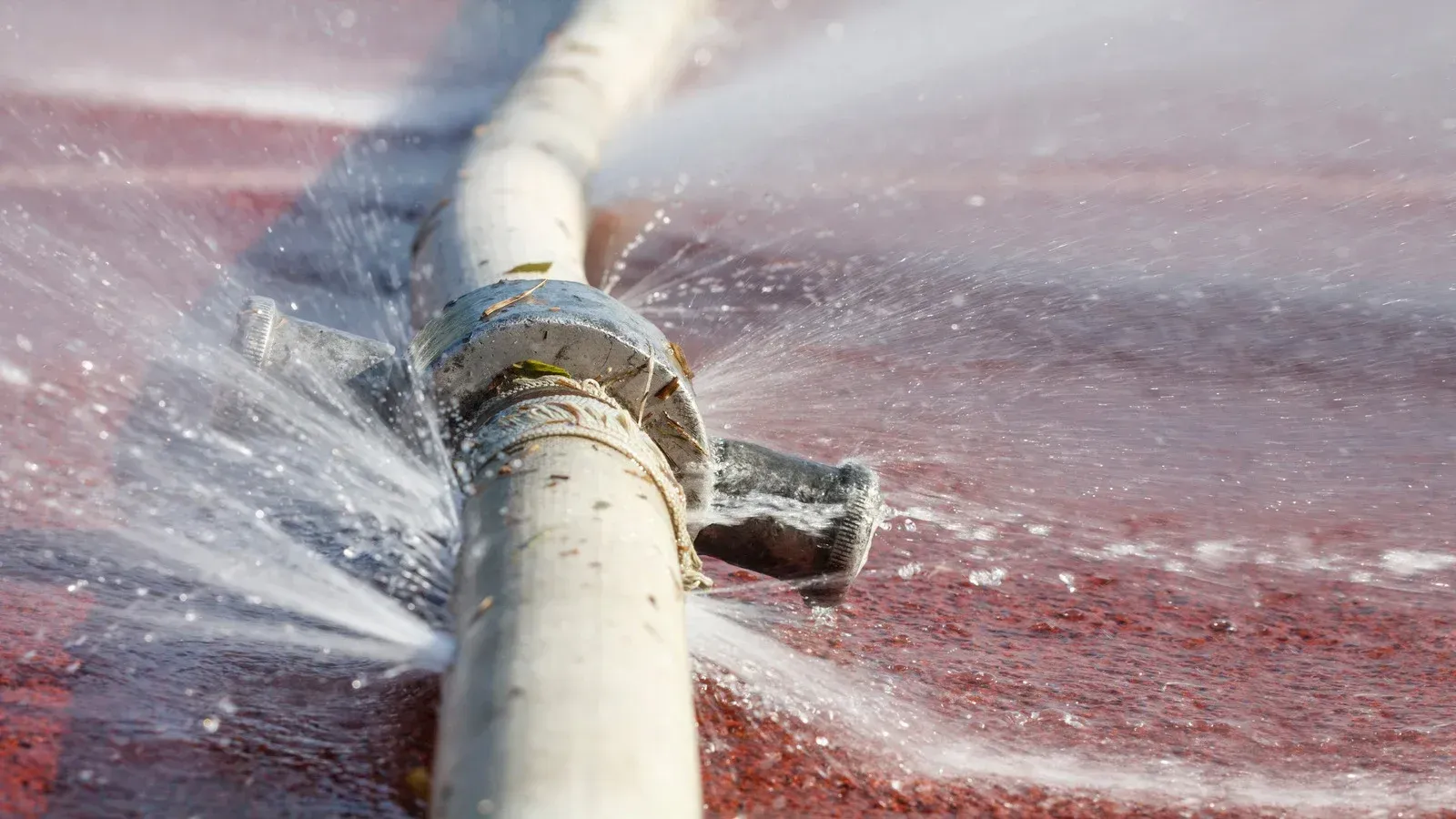
As winter approaches in Ontario, homeowners and property managers face one of the most challenging aspects of the season: protecting their plumbing from freezing temperatures. With harsh cold snaps, sub-zero nights, and icy winds, the risk of pipes freezing and bursting increases dramatically. A single burst pipe can lead to extensive water damage, costly repairs, and disruption of daily life. Preparing your plumbing system ahead of winter is not just a precaution—it is a critical investment in safeguarding your home and maintaining peace of mind during the colder months. Proper winterization techniques help prevent unexpected emergencies, minimize repair expenses, and ensure the continuous functionality of your plumbing system.
Winter pipe protection requires a combination of awareness, preventative measures, and timely maintenance. Understanding which pipes are most vulnerable, knowing the warning signs of freezing, and implementing practical strategies can significantly reduce risk. This guide provides homeowners in Ontario with actionable insights into winter plumbing preparation, covering both interior and exterior pipe protection, insulation techniques, and emergency response tips. By following these best practices, you can face the cold season confidently, keeping your property safe from one of winter’s most common household threats.
Understanding the Risks of Frozen Pipes
Why Pipes Freeze in Winter
In Ontario, winter temperatures often drop well below freezing, creating the perfect conditions for pipes to freeze. Water expands by roughly 9% when it freezes, generating extreme pressure inside the pipe walls. This expansion can crack or completely burst even durable materials such as copper, PVC, or PEX. A single frozen pipe, if left unaddressed, can lead to extensive water damage, costly repairs, and even structural damage to floors and walls. Pipes located in areas without sufficient heating—such as basements, crawl spaces, attics, garages, or exterior walls—are the most susceptible.
Homeowners often underestimate the speed at which pipes can freeze. A sudden cold snap, particularly overnight, can turn a minor inconvenience into a full-scale emergency. Awareness of how and why pipes freeze allows for a targeted approach to prevention. By addressing the most vulnerable sections of your plumbing system before winter arrives, you can significantly reduce the risk of burst pipes and protect your home from unexpected water damage.
Common Vulnerable Locations
- Exterior walls and outdoor faucets: Pipes near exterior walls or connected to outdoor spigots often lack adequate insulation, leaving them exposed to frigid winds.
- Unheated basements and garages: These areas may experience temperatures several degrees lower than the main living space, increasing the freeze risk.
- Crawl spaces and attics: Limited airflow and exposure to cold drafts make these hidden areas susceptible to freezing.
- Attic plumbing or pipes near vents: Pipes positioned near ventilation ducts may experience fluctuating temperatures, accelerating the freezing process.
Identifying these high-risk locations allows homeowners to implement focused preventative measures. Proper preparation ensures that the most vulnerable parts of your plumbing system are protected before winter sets in, significantly reducing the likelihood of emergency repairs and property damage.
Preparing Your Plumbing System
Inspecting Your Plumbing
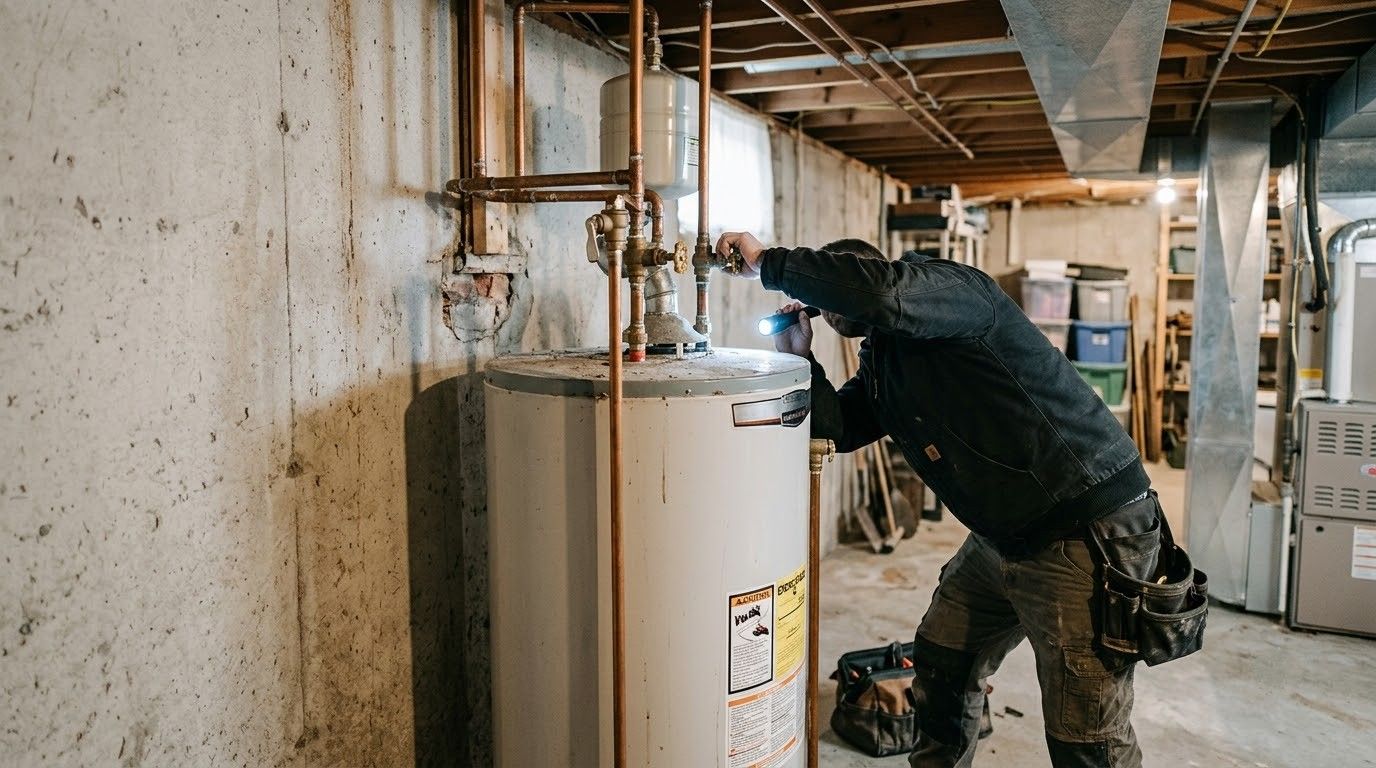
A thorough inspection of your plumbing system is the first step in winter preparation. Start by checking for signs of wear, corrosion, or leaks, as these issues can worsen under freezing conditions. Focus on:
- Old or weakened pipes: Copper, steel, and older plastic pipes may be more prone to bursting under winter pressure.
- Leaking joints: Even minor leaks indicate potential weaknesses that could escalate when water freezes.
- Sagging or unsupported pipes: Unsupported pipes may shift, crack, or split during freezing events.
Professional inspections provide an added layer of security. Plumbers can identify hidden vulnerabilities, recommend targeted repairs, and offer solutions tailored to your home. By addressing potential problems ahead of time, you reduce the likelihood of winter plumbing emergencies, protecting both your home and your wallet.
Draining and Winterizing Exterior Pipes
Outdoor plumbing requires careful attention. Water left in exterior pipes or irrigation systems can freeze, expand, and cause significant damage. Key steps include:
- Shut off exterior faucets: Turn off the water supply to outdoor taps from inside the home.
- Drain garden hoses and sprinklers: Even small amounts of residual water can freeze, causing internal expansion.
- Install frost-proof spigots: These specialized taps reduce the risk of freezing by extending the water line further into the home.
These preventive measures may seem simple, but they play a crucial role in protecting your home from costly and avoidable damages during Ontario’s cold winters.
Insulating Pipes for Maximum Protection
Pipe Insulation Options
Proper insulation is one of the most effective ways to prevent frozen pipes. There are several options to suit different needs:
- Foam sleeves: These flexible foam tubes are easy to install and wrap around individual pipes, ideal for basements and crawl spaces.
- Fiberglass insulation: Offers higher thermal resistance for exposed pipes in attics, garages, and other unheated areas.
- Heat tape or cable: Electrically powered insulation that maintains pipe temperature during extreme cold spells.
Each option has specific advantages, and sometimes a combination of insulation types works best. Selecting the right solution depends on your home’s layout, pipe material, and exposure to cold air.
Best Practices for Insulation
- Cover all vulnerable pipes: Do not neglect pipes in basements, attics, or garages.
- Seal gaps and openings: Use caulking or spray foam to close cracks and prevent cold drafts from reaching pipes.
- Check insulation thickness: For Ontario winters, insulation with an R-value of R-3 to R-6 is generally recommended.
Insulation not only protects against freezing but also enhances energy efficiency, reducing heat loss and lowering utility bills. By implementing these strategies, homeowners can safeguard their plumbing systems and maintain year-round efficiency.
Indoor Precautions and Temperature Management
Maintaining Warm Indoor Temperatures
Maintaining consistent indoor temperatures is crucial for protecting vulnerable plumbing lines. Practical steps include:
- Open cabinet doors: This allows warm air to circulate around pipes under sinks and along exterior walls.
- Maintain consistent heating: Avoid turning down the thermostat too drastically at night, even in unoccupied rooms.
- Use space heaters safely: Controlled heat sources in basements, crawl spaces, or attics can provide localized warmth to critical pipe areas.
Even small adjustments to indoor temperature management can prevent costly and inconvenient pipe freezes during the coldest nights.
Letting Faucets Drip
Allowing faucets to drip is a simple yet effective strategy for extreme cold:
- Drip strategy: Keep a slow trickle of water running through vulnerable pipes. Moving water is much less likely to freeze.
- Target taps: Focus on faucets furthest from the main water supply and those located in unheated areas.
When combined with insulation and proper temperature management, this technique provides a highly effective defense against frozen and burst pipes.
Emergency Preparedness and Response
Recognizing Early Signs of Freezing
Early detection can prevent small issues from escalating. Common signs include:
- Frost on pipes: Visible frost indicates freezing is occurring or imminent.
- Reduced water flow: A sudden decrease in water pressure can indicate partial freezing.
- Unusual noises: Bubbling, whistling, or banging sounds can signal ice forming inside pipes.
Recognizing these early signs allows homeowners to take swift action, reducing the potential for extensive damage.
Immediate Actions for Frozen Pipes
If a pipe does freeze:
- Turn off the main water supply: This prevents further damage if the pipe bursts.
- Gently thaw the pipe: Use a hairdryer, heat lamp, or warm towels. Never use an open flame.
- Apply gradual heat: Begin near the faucet and work toward the frozen section to reduce pressure buildup.
Long-Term Mitigation
- Install pipe monitors: Smart sensors can alert homeowners when pipe temperatures approach freezing.
- Regular winter maintenance: Annual inspections help identify emerging vulnerabilities before temperatures drop.
Proactive emergency preparedness ensures homeowners can minimize damage, save money, and reduce the stress associated with winter plumbing emergencies.
Real-World Scenarios and Expert Recommendations
Case Study: Basement Pipe Freeze
A homeowner in Kingston, Ontario, neglected insulating basement pipes during an unusually cold February. Water froze and expanded inside a PVC pipe, causing it to burst and flood the basement. Repair costs exceeded $3,000, including water damage restoration. Proper insulation and a simple faucet drip could have prevented the incident entirely.
Expert Insights
- Proactive measures are essential: Waiting until the first deep freeze is often too late.
- Material selection matters: Modern PEX pipes are flexible and less prone to bursting, while older copper pipes require careful monitoring and insulation.
- Insurance considerations: Some homeowners’ insurance policies may exclude coverage if preventative steps were not taken.
Cost-Benefit Analysis
Investing in insulation, heat tape, or professional winterization services may cost several hundred dollars. However, the long-term savings on emergency repairs and water damage can amount to thousands of dollars. Beyond financial benefits, these measures provide peace of mind, ensuring homes remain safe, functional, and comfortable throughout Ontario’s harsh winter months.
Reliable Professionals Protecting Your Home Every Winter
Winter in Ontario presents significant challenges for homeowners, with frozen and burst pipes among the most common and costly risks. Understanding vulnerable locations, implementing effective insulation, maintaining warm indoor temperatures, and employing preventive strategies like drip faucets and heat tape are essential for minimizing these risks. Recognizing early warning signs and having a response plan in place further strengthens preparedness, ensuring that homes remain safe, functional, and protected throughout the season.
At Ogden Plumbing, located in Kingston, Ontario, we leverage over a decade of experience to help homeowners safeguard their plumbing systems against winter hazards. Our team specializes in
pipe inspections, winterization services, and emergency response, providing reliable, professional solutions tailored to each property. By combining industry expertise, proven techniques, and personalized guidance, we ensure that every client can navigate Ontario winters with confidence. Trust Ogden Plumbing
to protect your home, maintain uninterrupted water supply, and prevent costly pipe damage year after year.