Tank vs. Tankless vs. Heat Pump Water Heaters in Kingston's Climate: Which Actually Saves Money?
May 31, 2026
Homeowners throughout Kingston face rising utility costs, colder seasonal temperatures, and growing pressure to improve household energy efficiency without sacrificing comfort. Water heating represents one of the largest energy expenses inside most homes, making the choice between traditional tank systems, tankless models, and heat pump water heaters more important than ever. While every option promises savings, the actual long-term value depends heavily on local climate conditions, household water usage, installation requirements, and ongoing maintenance expectations. Choosing the wrong system can lead to higher monthly bills, reduced hot water availability, and expensive repairs that many homeowners never anticipate during the purchasing process.
Kingston’s climate creates unique challenges for water heating equipment because long winters, freezing temperatures, and seasonal humidity changes affect system performance differently throughout the year. A water heater that performs well in warmer regions may not provide the same energy savings or reliability in Eastern Ontario homes. Understanding how each system responds to Kingston’s environment helps homeowners make informed financial decisions rather than relying on generalized marketing claims.
Understanding How Kingston’s Climate Impacts Water Heater Performance
Cold Winters Increase Heating Demand
Kingston experiences extended winter seasons with freezing outdoor temperatures that significantly influence household energy usage. Incoming groundwater temperatures remain colder for much of the year, meaning water heaters must work harder to raise water to comfortable temperatures. Traditional tank water heaters often cycle more frequently during winter months, increasing energy consumption and utility costs.
Tankless systems also face additional strain because colder inlet water requires longer heating cycles and greater output demand. Homes with multiple simultaneous hot water demands may notice reduced performance during colder periods if the system size does not match household requirements.
Seasonal Temperature Swings Affect Efficiency
Heat pump water heaters rely on extracting heat from surrounding indoor air. During colder months, basements and utility rooms may experience lower ambient temperatures, reducing operational efficiency compared to warmer seasons. While these systems still provide strong energy savings, climate conditions influence how consistently those savings appear throughout the year.
Kingston homeowners must evaluate not only advertised efficiency ratings but also real-world seasonal performance. A system that appears inexpensive initially may generate higher operational costs under local climate conditions.
Traditional Tank Water Heaters: Familiar but Expensive Long Term
Lower Installation Costs Appeal to Many Homeowners
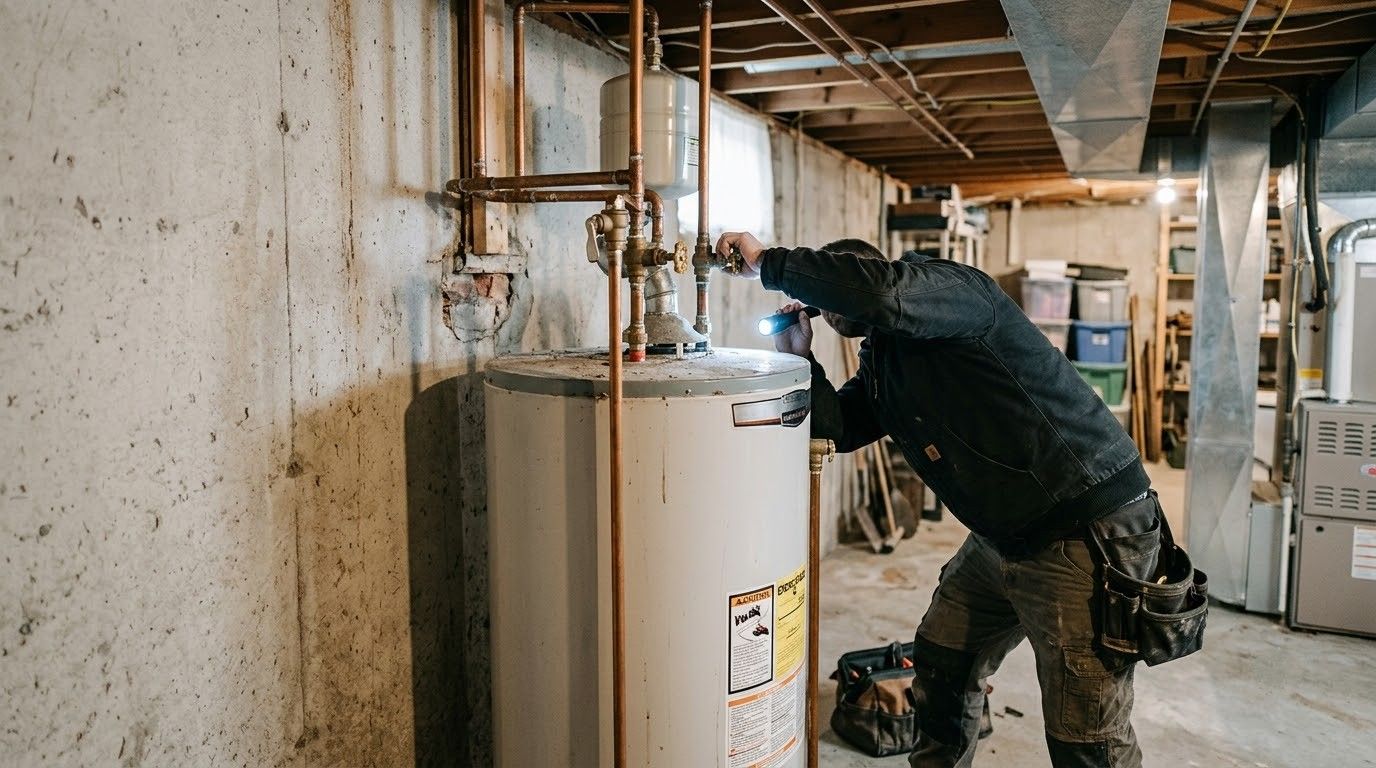
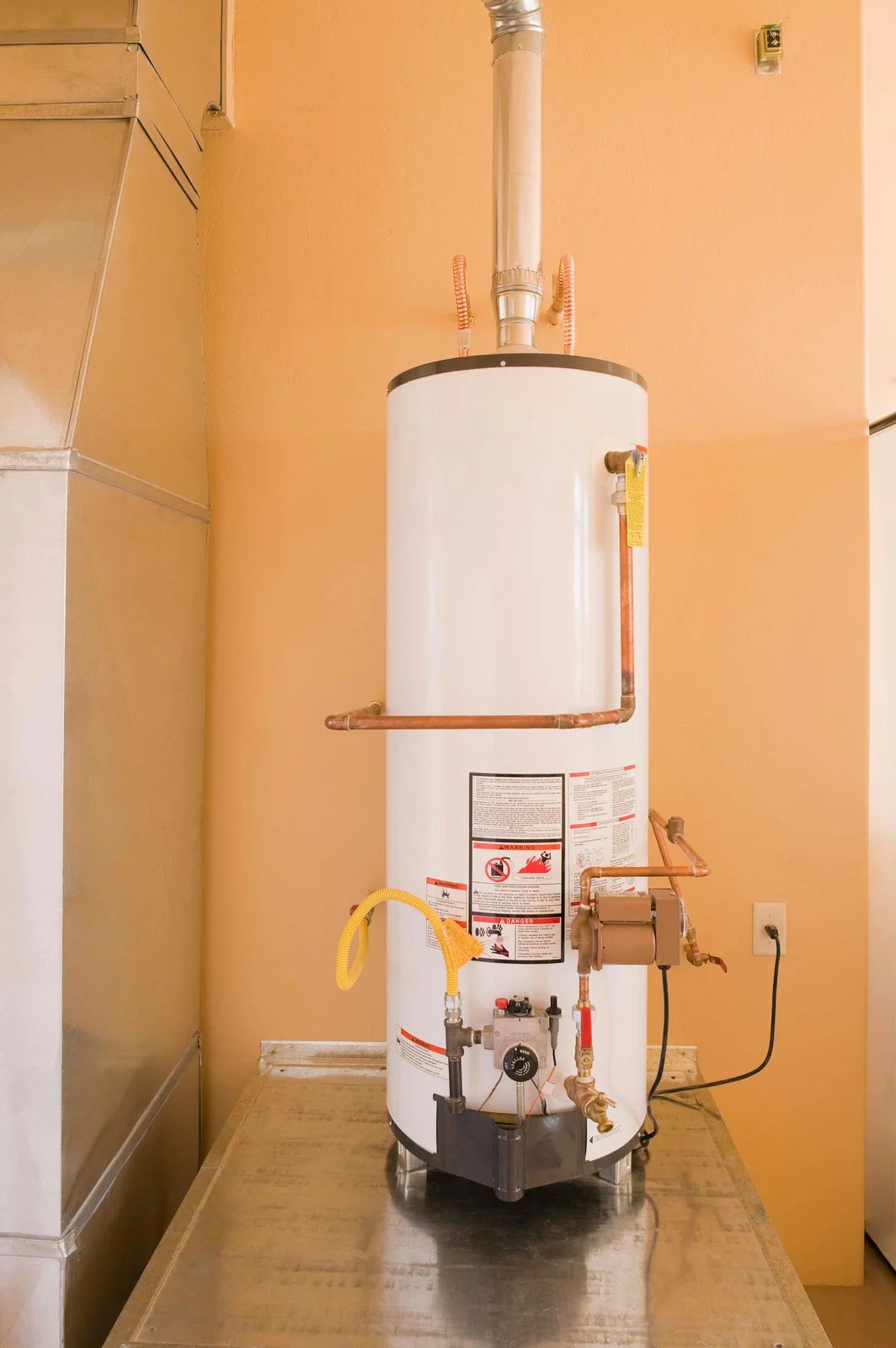
Conventional tank water heaters remain common because installation costs are generally lower than alternative systems. Existing plumbing layouts often accommodate straightforward replacement, reducing labour expenses and minimizing disruption inside the home. Many homeowners appreciate the simplicity and familiarity of standard storage tank systems.
Gas and electric tank models are available in various capacities, making them suitable for households with predictable hot water usage patterns. Families with moderate water consumption may initially find tank systems financially attractive because of their accessible purchase price.
Energy Losses Increase Monthly Costs
Despite lower upfront costs, traditional tank water heaters often generate higher operating expenses over time. Stored hot water continuously loses heat through the tank walls, causing standby energy losses throughout the day and night. In Kingston’s colder climate, these losses become more noticeable because basement temperatures remain lower during winter months.
Older tanks may struggle to maintain consistent water temperatures during periods of heavy usage. Households with multiple bathrooms, large families, or high appliance demands may experience reduced efficiency and increased heating cycles that raise monthly utility bills.
Lifespan and Maintenance Considerations
Tank water heaters typically last between eight and twelve years depending on water quality, maintenance practices, and usage levels. Sediment buildup remains a common issue throughout Ontario because mineral accumulation reduces heating efficiency and shortens equipment lifespan.
Regular flushing, anode rod inspections, and leak monitoring help extend system performance. However, many homeowners delay maintenance until noticeable performance problems appear, which can lead to premature replacement costs.
Tankless Water Heaters: High Efficiency with Important Limitations
On-Demand Heating Reduces Energy Waste
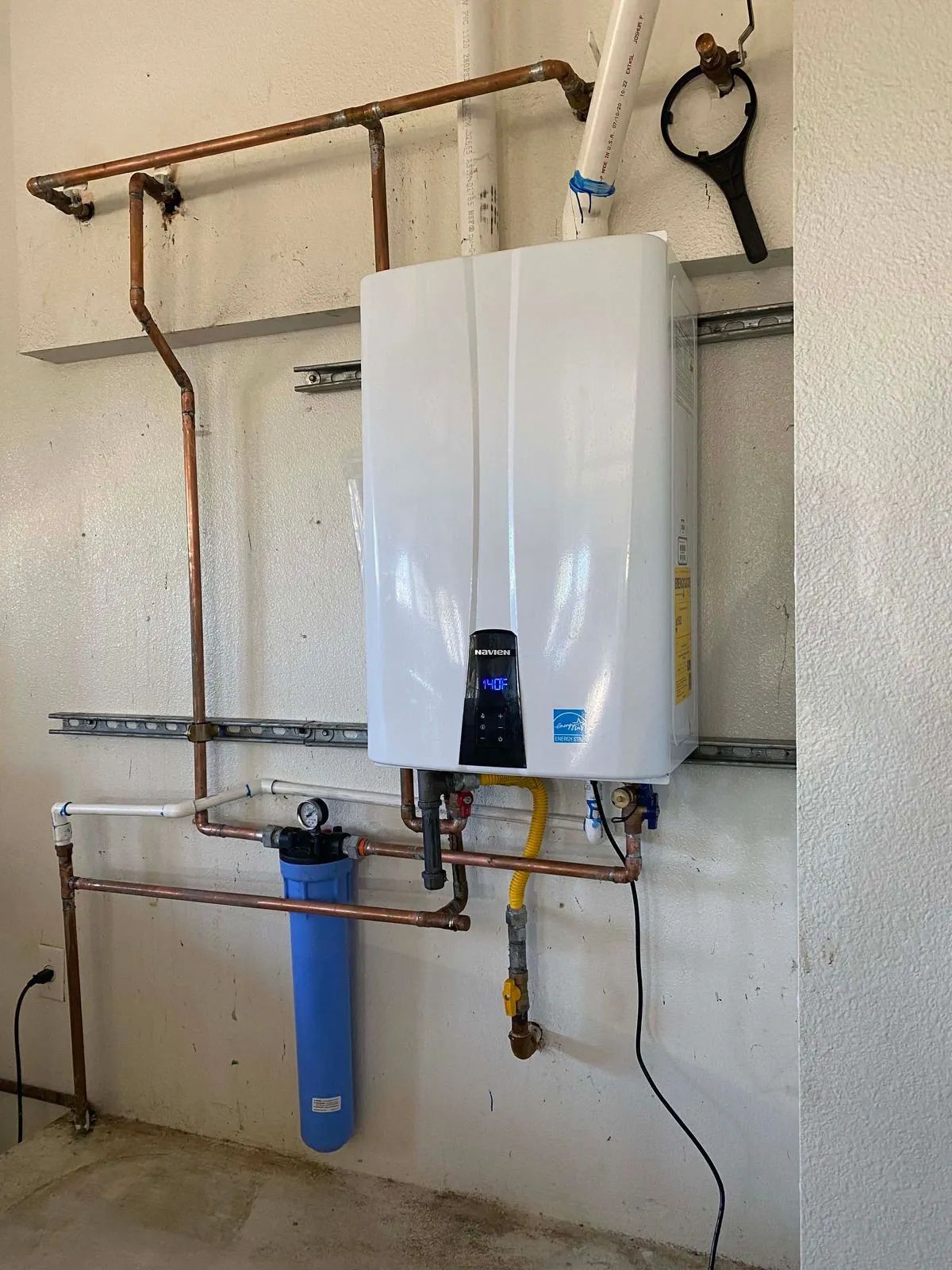
Tankless water heaters eliminate standby heat loss by heating water only when needed. Instead of storing heated water inside a tank, these systems activate during demand and deliver continuous hot water through high-powered burners or heating elements.
This design reduces unnecessary energy consumption, making tankless systems attractive for homeowners seeking lower utility bills. Kingston households with moderate daily water usage may notice meaningful long-term savings compared to traditional tank systems.
Installation Costs Can Be Higher
While operational efficiency often improves, installation costs for tankless systems may exceed homeowner expectations. Gas-powered models frequently require upgraded venting systems, larger gas supply lines, and electrical modifications to support safe operation.
Homes with older infrastructure may require additional upgrades before installation can proceed. These extra expenses can significantly increase total project costs, especially when retrofitting existing properties.
Cold Climate Performance Requires Proper Sizing
Kingston’s colder groundwater temperatures make proper system sizing extremely important. Tankless water heaters must raise incoming water temperatures substantially during winter months. Undersized systems may struggle to supply multiple fixtures simultaneously, causing inconsistent temperatures during showers, laundry cycles, or dishwashing.
Professional load calculations help determine whether a single tankless unit can support household demand. Larger homes sometimes require multiple units or supplemental solutions to maintain comfort throughout colder seasons.
Maintenance Requirements Should Not Be Ignored
Tankless systems require regular descaling to prevent mineral buildup inside heat exchangers. Hard water conditions may accelerate scaling issues, reducing performance and shortening equipment lifespan. Annual maintenance inspections help preserve efficiency and prevent costly repairs.
Although tankless models generally last longer than conventional tanks, neglected maintenance can quickly eliminate expected savings.
Heat Pump Water Heaters: Maximum Efficiency with Climate Considerations
How Heat Pump Technology Works
Heat pump water heaters operate differently from traditional systems by transferring heat from surrounding air rather than generating heat directly. This process requires significantly less electricity, making heat pump models among the most energy-efficient residential water heating solutions available today.
Many homeowners appreciate the reduced utility costs associated with heat pump systems, especially as electricity prices continue increasing throughout Ontario.
Significant Long-Term Energy Savings
Compared to conventional electric tanks, heat pump water heaters can reduce energy usage dramatically. Households with steady year-round hot water demands often experience noticeable monthly savings that offset higher installation costs over time.
Government rebates and energy-efficiency incentives may further improve affordability for Kingston homeowners considering heat pump technology. Lower operating expenses become especially attractive for households planning long-term property ownership.
Performance Challenges During Winter
Despite impressive efficiency ratings, Kingston’s colder climate creates certain limitations. Heat pump water heaters perform best in spaces with adequate ambient warmth and airflow. Cold basements during winter may reduce system efficiency, forcing backup electric resistance heating to activate more frequently.
Proper placement becomes essential for maximizing performance. Utility rooms with stable temperatures and sufficient air volume typically produce stronger results than smaller, colder spaces.
Noise and Space Requirements Matter
Unlike traditional tanks, heat pump systems contain compressors and fans that generate noticeable operating noise. While generally manageable, sound levels may concern homeowners with utility rooms near living spaces.
These systems also require additional installation clearance and ventilation space. Smaller homes or compact mechanical rooms may not accommodate heat pump models comfortably without layout adjustments.
Comparing Real Long-Term Costs Between Water Heater Types
Upfront Costs Versus Operational Savings
Traditional tank systems usually offer the lowest initial installation price, making them appealing for short-term budgets. However, higher monthly operating expenses gradually reduce long-term value. Tankless and heat pump systems cost more initially but often provide lower utility bills over time.
Homeowners planning to remain in their property for many years may benefit more from investing in higher-efficiency equipment despite larger upfront expenses.
Maintenance and Repair Expenses
Maintenance costs vary substantially between systems. Conventional tanks require periodic flushing and component inspections but often involve simpler repairs. Tankless systems demand consistent descaling and annual servicing to preserve efficiency.
Heat pump water heaters contain more advanced mechanical components that may require specialized service expertise. Homeowners should consider long-term maintenance accessibility when comparing total ownership costs.
Household Usage Patterns Influence Savings
No single water heater type provides universal savings for every Kingston household. Families with high daily hot water usage may benefit significantly from tankless or heat pump efficiency improvements. Smaller households with limited water consumption may struggle to recover higher installation costs quickly enough to justify upgrading.
Evaluating daily habits, occupancy levels, and future household changes helps determine which system offers the strongest financial return.
Dedicated Plumbing Experts Helping Homeowners Save More Money
For homeowners seeking reliable guidance on water heater replacement and energy-efficient plumbing solutions, Ogden Plumbing continues providing dependable service throughout Kingston, Ontario. With 10 years of industry experience, we understand how local climate conditions influence water heater performance, utility costs, and long-term household comfort. Our experience with tank, tankless, and heat pump water heater installations allows us to recommend solutions based on practical performance rather than generalized sales claims.
We help homeowners evaluate installation requirements, household hot water usage, energy efficiency goals, and long-term operating expenses before recommending replacement options. Whether upgrading an aging storage tank, exploring tankless technology, or considering a high-efficiency heat pump system, we focus on solutions that align with the realities of Kingston homes and seasonal conditions. Clear communication, professional workmanship, and honest recommendations remain central to every project we complete.
Choosing the right
water heater represents a major investment in household comfort and energy management. We believe homeowners deserve experienced guidance, accurate information, and plumbing solutions designed for long-term reliability. Through careful installation practices and knowledgeable support, we continue helping Kingston homeowners make confident plumbing decisions that support comfort, efficiency, and lasting value.