Rusty or Smelly Hot Water From the Tap? What It's Telling You
September 22, 2026
Quick Answer: Rust-coloured or rotten-egg-smelling hot water almost always traces back to your water heater, not your whole plumbing system. A reddish-brown tinge usually means the tank's protective anode rod has worn down and rust is starting to flake off the tank lining or the internal parts around it. A sulphur or rotten-egg smell is a chemical reaction between that same anode rod and naturally occurring bacteria in the water, which produces hydrogen sulphide gas. Both problems are common and both are fixable, usually with an anode rod replacement, a tank flush, or in some cases a full disinfection of the tank. The exception is when cold water is affected too, which points away from the heater and toward the municipal supply line or the pipes feeding your home.
You turn on the hot tap to fill the kettle, and instead of clear water, you get a faint orange tint swirling into the pot. Or maybe it's the smell that gets you first, that unmistakable rotten-egg odour drifting up as soon as the hot water starts running, gone by the time you check the cold side. Either way, your first instinct is probably to wonder if something in the house is broken beyond repair.
It usually isn't. Rusty or smelly hot water is one of the most common calls a plumber gets, and in nearly every case, the cause sits inside one specific appliance: your water heater. Once you know what's actually happening in there, the fix stops feeling like a mystery and starts looking like routine maintenance that got put off a little too long.
Rust-Coloured Hot Water and What It Means Inside the Tank
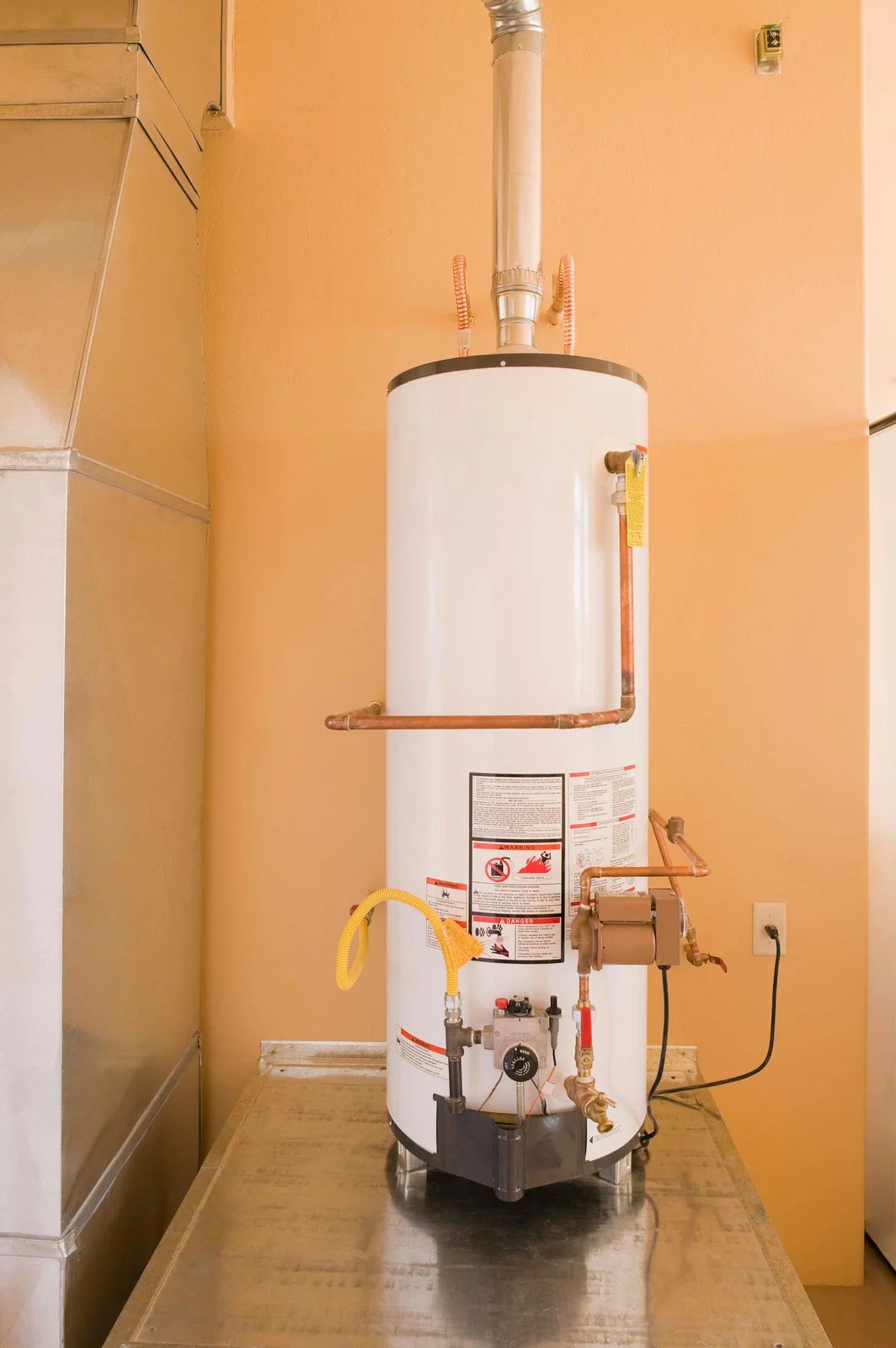
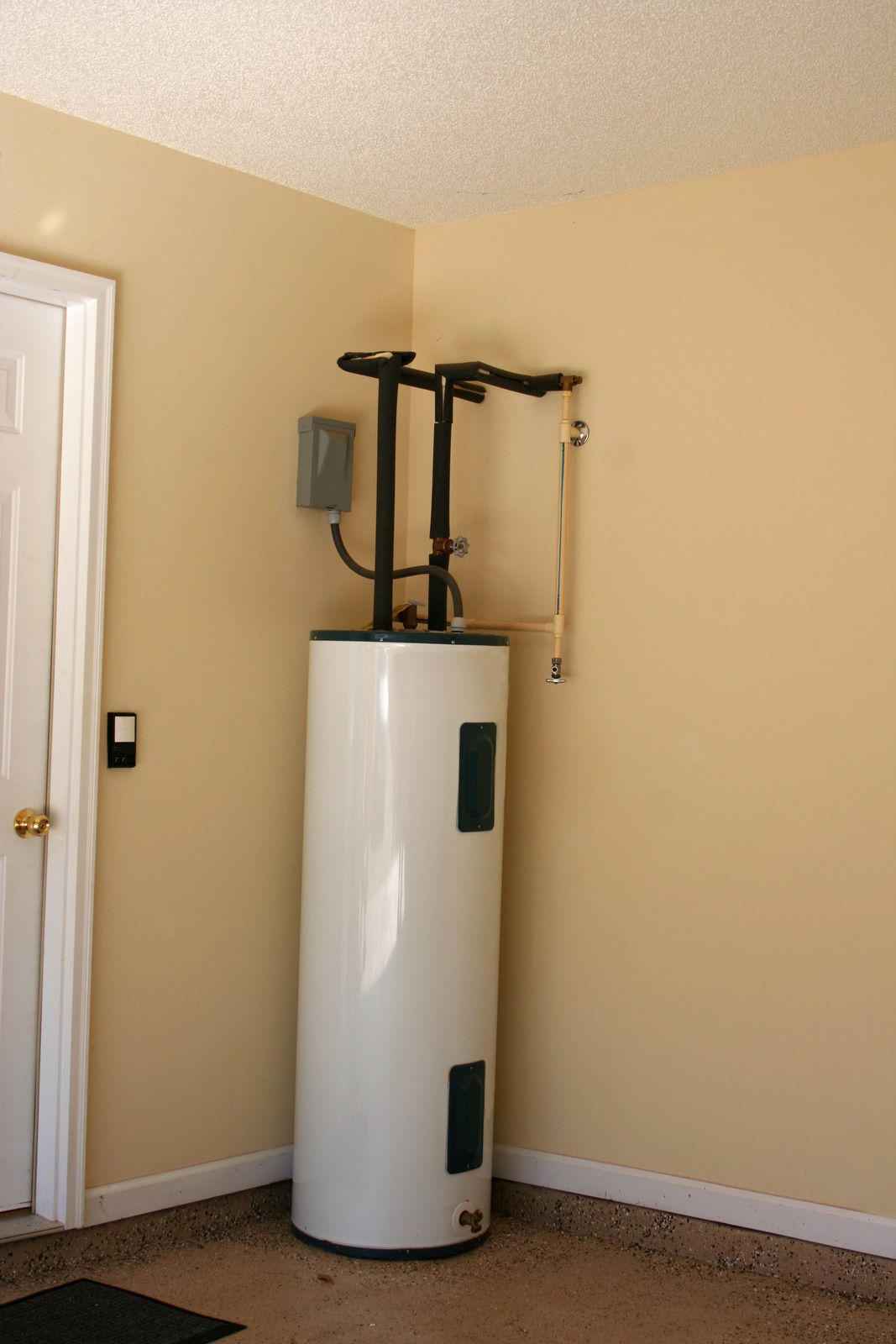
A steel water heater tank has a built-in defence against rust, but that defence eventually wears out. Every tank-style heater has a sacrificial anode rod, a metal rod suspended inside the tank. Minerals and dissolved oxygen attack it first, protecting steel walls and glass lining.
Once the rod is used up, the tank loses protection. A consumed anode rod can no longer draw corrosion away, so rust begins forming on exposed steel, often near the bottom where the glass lining is thinnest or cracked. That rust flakes into the water.
Old galvanized pipe can create the same tint from a different source. Galvanized steel pipe has a zinc coating that protects the pipe, but that coating breaks down with age. In homes, rust inside galvanized supply lines can tint hot water, cold water, or both.
Identifying the source matters more than the colour itself. Rust appearing only in hot water and clearing after running the tap briefly usually points toward the tank. Rust in both hot and cold water, or water that stays discoloured, points toward older piping or supply.
The Rotten-Egg Smell: A Different Chemical Process Entirely
That sulphur smell is not rot, and it's not sewage backing up. It's hydrogen sulphide gas, and it forms through a specific chemical reaction between the anode rod and naturally occurring sulphate-reducing bacteria that live in most water supplies in small numbers. The rod's metal reacts with those bacteria and the sulphates in the water, and the byproduct is the same compound that gives rotten eggs their smell.
Anode rods are made from different metals, and the metal changes the odds of getting this smell. Magnesium rods react the most readily with sulphate-reducing bacteria, aluminum rods somewhat less, and rods made from a zinc-aluminum alloy are built specifically to interrupt that reaction. A tank that came from the factory with a standard magnesium rod is the most likely candidate to develop the smell over time, especially once the water sitting in the tank has gone a while between uses.
A water softener changes the chemistry again, and usually not in your favour.
Softened water tends to encourage the same bacteria that produce hydrogen sulphide, which is why a household with a softener can develop the rotten-egg smell faster, and more stubbornly, than one without. Swapping to a different anode rod material sometimes helps less in a softened-water home than it would elsewhere, which is worth knowing before you assume one fix will settle it for good.
TIP:
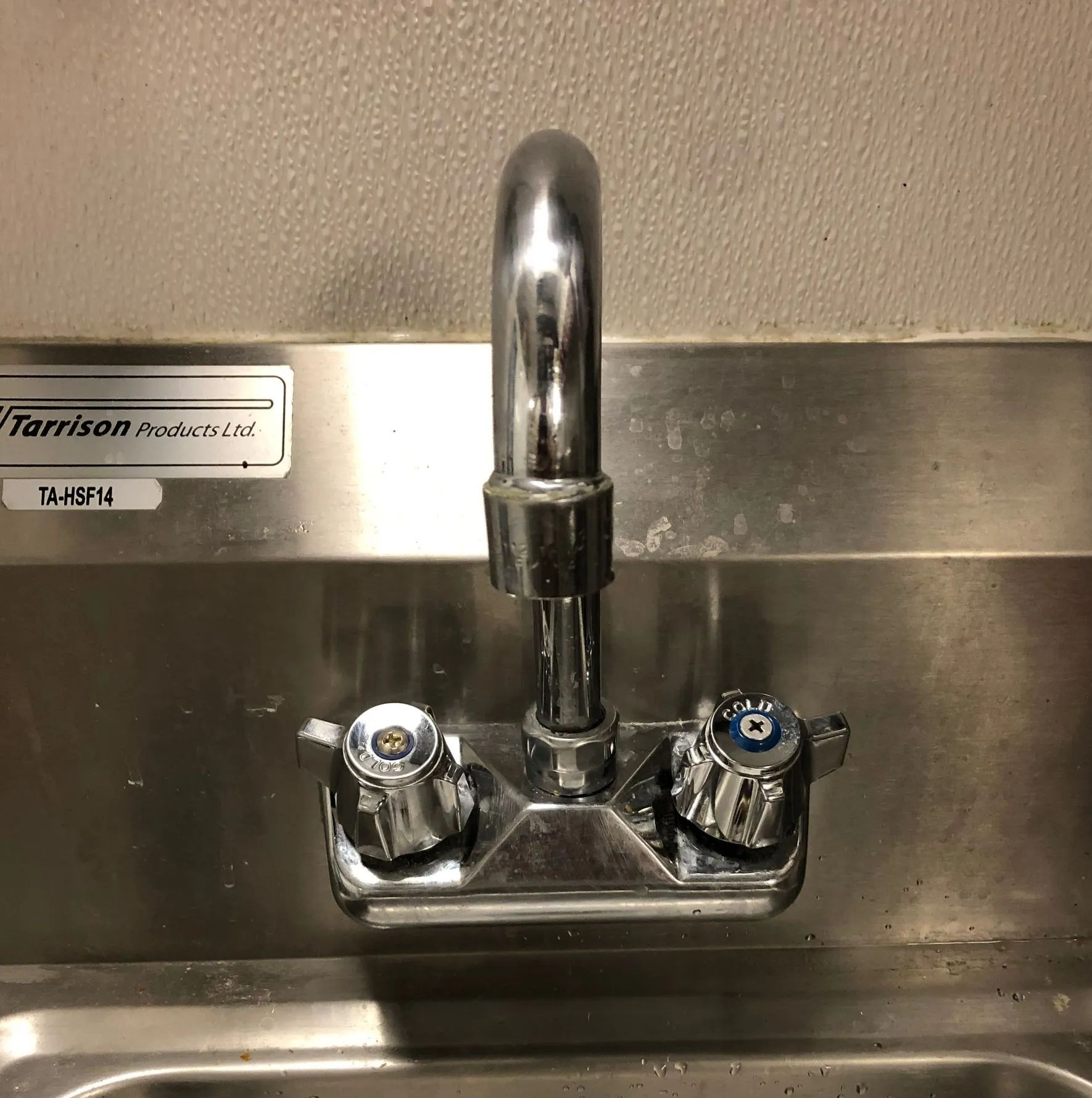
Try running only the hot tap at a sink for about thirty seconds and smell it on its own, away from anything near the drain. If the smell is coming from the water itself and not the drain trap underneath the sink, it will be present and consistent the entire time the tap runs, not just in a quick whiff when you first turn it on.
Why This Almost Always Shows Up in Hot Water First
Cold water comes straight from the municipal line or your home's main supply pipe, with no tank sitting in between to react with it. Hot water passes through the water heater every single time, which means every reaction that can happen between the tank, the anode rod, and the water itself gets a chance to happen before that water ever reaches your tap. That's the simplest explanation for why hot-only symptoms are so common, and it's also the fastest way to narrow down where a problem is coming from before a plumber even shows up.
A tank that sits unused for stretches, such as a cottage or a guest bathroom that barely gets touched, gives bacteria and any loose rust extra time to build up between uses. The first draw of the day is often the smelliest or the most discoloured for exactly that reason, with the water clearing somewhat as the tank refills and mixes.
Why This Shows Up More in Kingston Than It Might Elsewhere
Water moving through this part of Eastern Ontario picks up a fair amount of mineral content on its way to your tap. Groundwater and surface water in the Kingston area travel through and over limestone bedrock, which is largely calcium carbonate, and the water dissolves some of that mineral load along the way. That's the same hard-water chemistry that leaves scale on kettles and showerheads, and it plays a role here too.
Harder water tends to use up an anode rod faster than soft water does. The rod is doing more work in mineral-heavy water, since there's more dissolved material available to react with it. A rod that might last several years in a softer-water region can wear down sooner in a hard-water area like this one, which shortens the window before rust or smell symptoms start showing up.
Municipal water systems occasionally add their own twist to the picture. Watermain flushing and
repair work can dislodge iron particles that have settled inside the pipes over years, sending a temporary rust-coloured surge through the system that shows up in both hot and cold water at once, city-wide or block-wide rather than in just one house. Municipalities in this region routinely flag this as a known, short-lived side effect of flushing, and it typically clears within a few hours of running taps.
What Happens If the Cause Goes Unaddressed
A tank with a spent anode rod keeps corroding, and the process doesn't reverse itself. Once rust starts forming on exposed steel, it continues to spread as long as the tank keeps heating water, and the flaking gets heavier over time rather than settling down. What starts as a faint tint in a glass of water can progress toward visibly rusty water and, eventually, small leaks as the tank wall thins in spots.
Sediment and rust particles can also clog fixtures long before the tank itself fails outright. Faucet aerators, showerheads, and the internal filters in dishwashers and washing machines all catch fine rust particles over time, and a tank producing steady rust flake will gradually reduce flow at those fixtures, often getting blamed on the fixture itself rather than the real source.
Ignoring the smell doesn't make the bacteria go away either. The reaction between the anode rod and sulphate-reducing bacteria continues as long as the same rod stays in place, and in many cases it gets worse rather than better, particularly in a home with a water softener already running. A tank that smells faintly today is a reasonable bet to smell more strongly in another year.
Warning: Do not assume rusty hot water is purely cosmetic and safe to keep using indefinitely without having it looked at. A tank actively rusting from the inside is a tank whose lining has already failed in at least one spot, and that same failure is what eventually leads to a tank losing structural integrity and leaking, often without much additional warning once it starts.
How a Plumber Narrows It Down and Fixes It
Isolating hot versus cold, and one fixture versus the whole house, comes first. A plumber will typically run several taps, check both hot and cold at more than one fixture, and ask when the discolouration or smell started and whether it's constant or intermittent. That pattern alone rules out or confirms the water heater as the source before any tools come out.
Pulling the anode rod tells the real story fast. A rod that's been reduced to a thin wire core, or one that's disappeared almost entirely, confirms the tank has been unprotected for some time and explains both the rust and the smell in one look. Replacing it with a rod suited to the situation, often a zinc-aluminum alloy for smell issues, or a powered anode rod in a softened-water home where a standard rod struggles, addresses the root cause rather than just the symptom.
A full flush and, when needed, a tank disinfection clears out what's already built up. Replacing the rod stops new rust and new odour-causing reactions from happening, but it doesn't remove sediment or bacteria already sitting in the tank. A thorough flush, sometimes followed by a disinfecting treatment for stubborn smell issues, clears that backlog so the fix actually shows results right away instead of taking weeks to taper off.
Galvanized pipe gets a different conversation entirely. If the source turns out to be old supply piping rather than the tank, a plumber will walk through which sections are affected and what replacing that piping actually involves, since patching one corroded section rarely solves discolouration coming from a whole run of aging galvanized pipe.
Frequently Asked Questions
Is rusty hot water safe to drink or bathe in?
Rust in small amounts is not typically an acute health hazard, but it signals an active problem that will worsen. There's no reason to drink discoloured water. Most people switch to filtered water until fixed.
Why does the smell only happen when the water heater hasn't been used in a while?
Sulphate-reducing bacteria need time sitting in still water to build up noticeable hydrogen sulphide gas, so a tank sitting overnight or over a long weekend often produces a stronger first-draw smell than one used constantly.
Will flushing the tank myself fix rusty or smelly water?
A flush helps with loose sediment, but it won't fix a worn-out anode rod, which is the actual source of both problems in most cases. If rust or smell returns within days, replace the rod.
Does a water softener make this worse?
It can. Softened water tends to encourage the same bacteria responsible for the rotten-egg smell, so homes with a softener see the odour return faster after a standard rod fix. A powered rod usually works.
How do I know if it's my water heater or the city's water main?
If both hot and cold water are affected together, especially after crews work nearby, it's likely the municipal supply, clearing within hours. If only hot water shows rust or smell for days, suspect the heater.
Can this damage other appliances connected to the water heater?
Yes. Dishwashers, washing machines on hot cycles, and fixtures with fine screens or aerators can collect rust particles over time, reducing flow and eventually requiring cleaning or replacement, even when the appliance itself works fine.
When Rust or Smell Signals a Bigger Problem
Rust and sulphur smell in hot water are not random plumbing quirks. They are specific, traceable signals from a tank whose built-in protection has run out. In a region where the water carries a heavier mineral load than most, that point tends to arrive sooner than homeowners expect, which is exactly why the symptom catches people off guard the first time it shows up. Neither problem improves with time, and neither is complicated to diagnose once someone knows what to check.
The rod, the tank, and the pipe are three distinct possibilities, and each has its own fix once the cause is confirmed. Ogden Plumbing
has spent 10
years working with tanks and pipes across Kingston, Ontario, and the pattern rarely changes: a spent rod explains most of what homeowners notice, while the water itself simply reflects what has been happening inside the tank all along. Once that cause is clear, the fix tends to be straightforward rather than dramatic.