Water Heater Making Popping or Rumbling Sounds? The Sediment Behind It
August 21, 2026
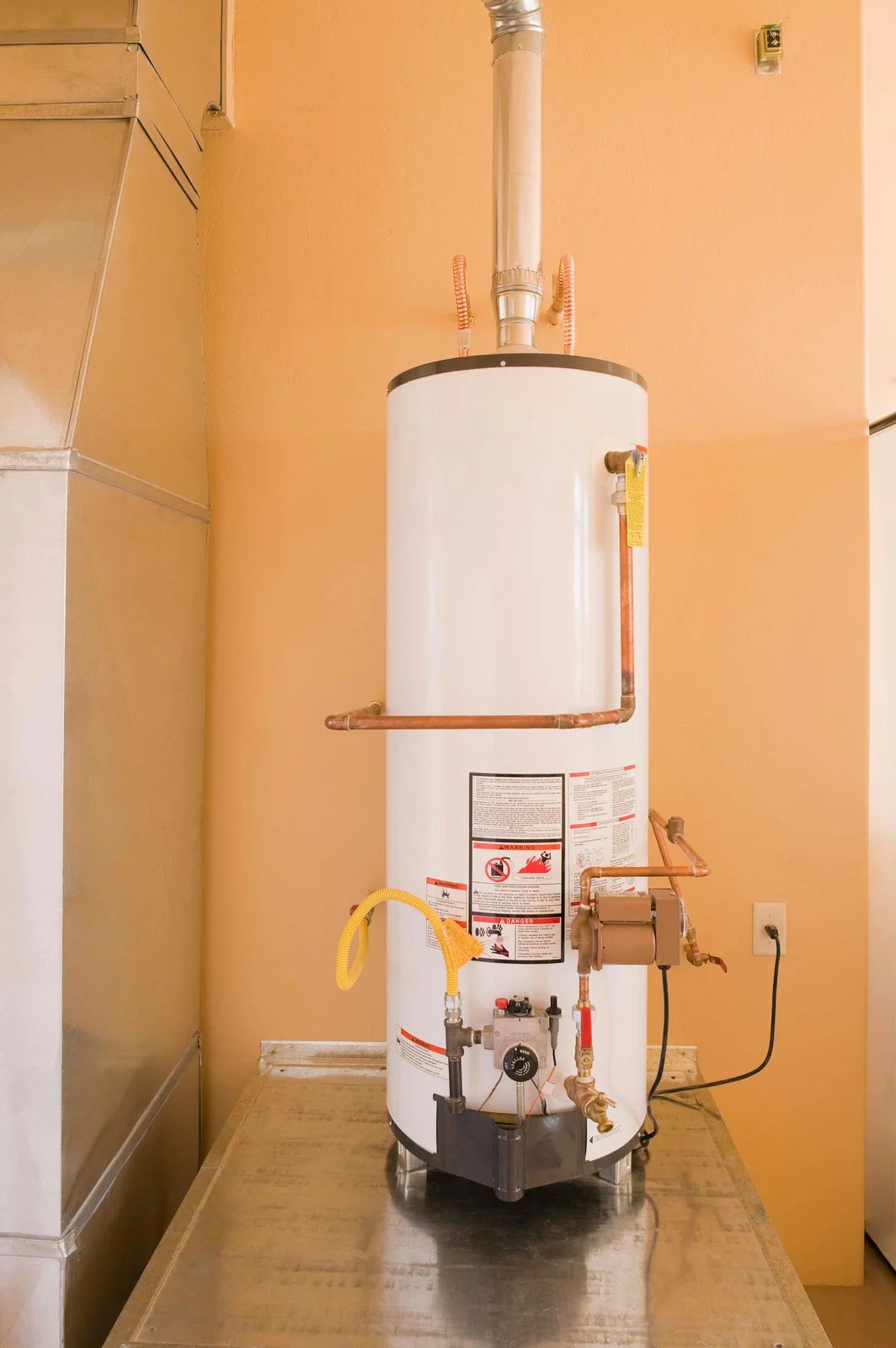
Quick Answer: A water heater that pops, rumbles, or crackles while it heats is almost always dealing with a layer of sediment settled on the bottom of the tank. Minerals from your water supply drop out and harden into a crust over the burner or lower heating element, and small pockets of water get trapped underneath it. As that trapped water boils, steam pushes up through the crust and bursts free, and each burst is one pop or rumble you hear. The noise itself will not damage anything in the short term, but the sediment causing it is quietly wasting energy and putting the tank under more strain than it was built for. A flush clears the buildup in most cases, though a tank that has carried years of scale sometimes needs more than a flush to run quietly again.
You are standing in the basement doing laundry when the water heater starts up, and it sounds like someone dropped a handful of marbles inside the tank. A low rumble builds, then a string of sharp pops, then quiet again until the burner kicks on for the next cycle. The first time you hear it, you check the furnace, the pipes, anywhere else the sound could be coming from. But it keeps tracing back to the same steel cylinder in the corner, and it has been getting louder for weeks.
That sound is not the tank failing on the spot. It is the tank telling you what has built up on its floor over months or years of heating cycles, and in a limestone region like Kingston, that buildup happens faster than most homeowners expect.
But once you know what is actually rattling around down there, the noise stops being a mystery. It becomes a maintenance call with a clear answer.
What That Popping or Rumbling Sound Actually Is
Minerals in your water do not disappear when they get hot, they settle. Every litre of water that enters the tank carries dissolved calcium and magnesium. Heat speeds up the rate at which those minerals drop out of solution, and once they do, they sink to the bottom of the tank and bond into a hardened layer of scale and grit. Over time that layer thickens from a dusting into a crust that can be several centimetres deep in an older, unmaintained tank.
Trapped water under that crust is what makes the noise. Once the sediment layer covers the burner or lower element, a thin pocket of water gets sealed between the tank floor and the crust above it. That pocket heats fast because it is closest to the heat source, and it boils before the rest of the tank does. Steam has nowhere to go but up through the crust, and it forces its way out in small, sudden bursts. Each burst is a pop.
A string of bursts happening close together reads as a rumble or a rolling boil sound. The pattern usually gets more frequent, not less, as the layer thickens.
The sound changes with how the tank is heated. A gas water heater has its burner directly beneath the tank floor, so the sediment sits right on top of the hottest surface in the unit, which tends to produce sharper, more localized popping. An electric tank heats through one or two elements that extend into the tank itself, so the noise from an electric unit often sounds more like a low rumble or a soft crackling, and it can show up around either element depending on which one sediment has buried.
Why the Noise Shows Up After Years, Not Months
A brand new tank is essentially silent, and that is the baseline worth remembering. Sediment accumulation is gradual. A small amount settles with every heating cycle, and a single cycle's worth is nowhere near enough to trap water or make noise. It typically takes a few years of normal use before the layer is thick enough to start producing the popping and rumbling homeowners actually notice, which is why the sound so often gets blamed on age when the real driver is what has been quietly collecting the whole time.
Usage patterns speed the timeline up or slow it down. A tank running around the clock for a larger household or a commercial kitchen cycles through more heating events per week than one in a light-use home, and more cycles means more opportunities for minerals to drop out of solution. Tanks set to a higher temperature also encourage faster mineral precipitation, since heat is the trigger that pulls calcium and magnesium out of the water in the first place.
Why Limestone-Region Water Speeds This Up
Water in and around Kingston picks up minerals on its way to your tap. Groundwater and surface water moving through this part of Eastern Ontario travels over and through limestone bedrock, and limestone is largely calcium carbonate. As water passes through, it dissolves some of that mineral content along the way, which is the basic chemistry behind what plumbers and homeowners in the region generally call hard water.
Hard water fills a tank with sediment on a shorter timeline than soft water does.
The more dissolved calcium and magnesium a water supply carries, the more material is available to drop out and settle every time the tank heats a batch of water. A household on a harder water supply can see a meaningful sediment layer build up well before the tank reaches the age where popping and rumbling would otherwise be expected, which is one reason the same make and model of water heater can run quiet for a decade in one home and start rumbling in half that time a few streets over.
TIP:
If you are not sure whether what you are hearing is sediment, listen right after the burner or element kicks on rather than while the tank is idle. Sediment noise tracks closely with the heating cycle, starting a minute or two after ignition and tapering off once that cycle ends, while sounds that continue at random moments with no connection to heating are more likely coming from somewhere else in the plumbing.
Sounds That Aren't Sediment
Not every odd noise in the mechanical room comes from the water heater. Plumbers get called out for sediment more than anything else, but a few other sounds get mistaken for it often enough to walk through.
A ticking or tapping along a pipe run is usually thermal expansion, not the tank. Copper and PEX pipe both expand slightly as hot water moves through them and contract as they cool, and where a pipe rubs against a wood stud or metal strap, that movement produces a ticking or tapping sound that has nothing to do with what is happening inside the heater itself.
A loud bang elsewhere in the house is more often water hammer. When a fast-closing valve, such as a washing machine solenoid or a modern faucet, stops water flow abruptly, the moving column of water slams to a halt and sends a shock through the pipes. That shows up as a single sharp bang rather than the rolling pop-pop-pop pattern of a heating cycle, and it can happen any time a valve closes quickly, not just when the water heater is running.
A steady hiss near the top of the tank points to the temperature and pressure relief valve, not sediment. That valve is a safety device designed to vent automatically if pressure inside the tank climbs too high. A brief hiss during a hot cycle can be normal, but a valve that hisses continuously or drips afterward should be checked rather than assumed to be part of the same sediment noise.
Warning: Do not ignore rumbling that keeps getting louder over several weeks, and do not respond to it by turning the thermostat down as a workaround. A thickening sediment layer traps more heat against the tank floor over time, and that localized overheating is linked by several manufacturers to stress on the tank lining and a higher chance of a pinhole leak developing years before the unit should have failed.
What Happens Inside the Tank If You Let It Go
Sediment gets between the heat source and the water you actually want heated. A gas burner or electric element has to push its heat through a layer of scale before it ever reaches usable water, and that layer acts as insulation working against the heater rather than for it. The tank ends up running longer and harder to hit the same temperature, which shows up as higher energy use for the same amount of hot water. Water heating already accounts for a significant share of home energy use in Canada, so a tank fighting its own sediment layer is not a small drag on efficiency.
The drain valve is usually the first casualty. Sediment settles most heavily right around the drain at the bottom of the tank, and a layer left unchecked for years can partially or fully clog that valve. A clogged drain turns a routine flush into a harder job and is one of the clearest signs that maintenance has been put off too long.
A neglected tank tends to fail earlier than its rated lifespan. The combination of localized overheating, added strain on the heating components, and the corrosion that can develop under a mineral crust shortens the working life of a tank that would otherwise run for well over a decade. Catching the noise early and having the tank flushed is a far smaller intervention than dealing with a tank that fails outright.
How a Plumber Diagnoses and Clears It
Diagnosis starts with ruling out everything that is not sediment. Before touching the tank, a plumber checks nearby pipe runs for the tapping of thermal expansion, listens for water hammer triggered by specific fixtures, and inspects the pressure relief valve, since treating a different problem as sediment wastes a service call and leaves the actual issue unresolved.
Flushing removes the loose material and breaks up the crust. The standard fix is draining the tank fully through the drain valve, sometimes with the cold water supply left running briefly partway through to stir up and flush out settled material that has bonded to the tank floor. A tank flushed regularly rarely builds enough sediment to make noise in the first place, which is why plumbers generally recommend it as an annual step in areas with harder water.
A stubborn drain valve or heavy buildup changes the approach. If sediment has partially clogged the drain valve, a plumber may need to clear it before a proper flush is possible, and in a tank that has gone many years without any maintenance, the crust can be hard enough that flushing brings back partial quiet rather than complete silence. At that point, the plumber weighs the tank's age and condition against how much more service life a flush is likely to buy, since an older tank with heavy sediment and early signs of corrosion is a different conversation than a younger one that was simply never flushed.
Frequently Asked Questions
Is a popping or rumbling water heater dangerous?
The noise itself is not usually dangerous, but it signals sediment buildup. Ignoring it can reduce efficiency, strain the tank, damage components, and potentially shorten the water heater’s lifespan significantly.
Can I flush the sediment out myself?
Homeowners can flush water heaters themselves, but old or clogged drain valves may leak when disturbed. Professional flushing reduces that risk while allowing the thermostat, relief valve, and tank to be inspected.
How often should a water heater be flushed in a hard water area?
Annual flushing is generally recommended in hard water areas because minerals accumulate faster. Homes with softer water, lighter hot water usage, or installed water softeners may sometimes require less frequent flushing overall.
Does a rumbling tank mean I need a new water heater?
Not necessarily. Flushing often resolves rumbling caused by sediment. Replacement becomes more appropriate when the tank is older, buildup is severe, corrosion is present, or important components have already deteriorated significantly.
Why is my newer water heater already making noise?
A newer water heater may become noisy because of particularly hard water, excessive temperature settings, or accumulated sediment. Without routine flushing, mineral deposits can develop surprisingly quickly around heating surfaces inside tanks.
Do tankless water heaters make the same popping sounds?
Tankless heaters generally avoid trapped-steam popping because they do not store standing water. However, mineral scale can accumulate inside heat exchangers, potentially causing reduced water flow, inconsistent temperatures, and declining efficiency.
Keeping Your Water Heater Running Quietly
Popping and rumbling are useful early warnings that sediment has accumulated where your water heater does its hardest work. In Kingston, Ontario, mineral-rich water can make that buildup happen faster, gradually reducing heat transfer and placing additional strain on the tank. Regular flushing helps remove loose sediment before it hardens into a thick crust, while periodic inspections can catch clogged drain valves, corrosion, and heating problems before they develop into more expensive issues.
With 10
years of experience, Ogden Plumbing
understands how local water conditions affect
water heaters throughout their working lives. A noisy tank does not automatically mean replacement is necessary, especially when sediment is identified and addressed early. Paying attention to changing sounds, maintaining a sensible flushing schedule, and having an older tank evaluated when buildup becomes severe can improve efficiency and help preserve its remaining service life. A quieter heater is often simply the result of consistent maintenance.