No Hot Water in the Morning but Fine at Night? What's Going On
July 11, 2026
Quick Answer: When your hot water disappears first thing in the morning but works fine later in the day, the tank is almost always giving you less usable hot water than it used to, and the large morning draw is what exposes it. On an electric tank the usual cause is a failed lower heating element or lower thermostat, which leaves only the upper element heating the top third of the tank. The water sits idle and cools overnight, incoming water in an Eastern Ontario winter comes in close to freezing, and the whole household draws at once around seven in the morning, so you run out fast. By evening the demand is spread out and the tank has had all day to recover, so it feels normal again. The fix is finding which part of the tank has stopped pulling its weight, not just turning the temperature dial up.
It is a quarter to seven on a January morning in Kingston, the house is still cold, and you step into the shower expecting the usual. For about ninety seconds it is fine. Then it goes lukewarm, then cold, and you are rinsing shampoo out under water that feels like it came straight off the lake. That evening, the same tap runs hot for as long as you care to stand there. Nothing about your routine changed between dawn and dusk, so it is tempting to shrug it off as a bad morning and assume the water heater is fine.
It usually is not just a bad morning. A water heater that quits at dawn and recovers by night is showing you a specific, recognizable pattern, and that pattern points to a shrinking reserve of hot water rather than a heater that has failed outright. Once you understand why the timing matters so much, the likely causes narrow down quickly. Here is what is actually happening inside that tank, and how the real fault gets tracked down.
Why the Same Tank Fails at Dawn and Recovers by Dusk
A tank holds a fixed reserve, and mornings ask for the most
A standard storage water heater keeps a specific amount of hot water ready. During the day, smaller uses allow recovery time. Morning routines create heavy demand with showers, appliances, and multiple taps running together. If the tank’s capacity has declined, the shortage appears first during this busiest period.
The recovery clock explains the evening rebound
Water heaters need time to restore hot water after heavy use. Gas units often recover faster, while electric models require longer heating cycles. After morning demand empties the tank, reduced daytime usage allows recovery. By evening, the supply seems normal because the heater has regained its reserve.
Winter sharpens the whole pattern in this region
Cold weather increases water heating demands because incoming groundwater temperatures drop significantly. Tanks must work harder to raise water temperature, while colder basements increase standby heat loss overnight. A system with a weakened reserve may appear fine in summer but struggle noticeably during Kingston’s harsh winter conditions.
The Lower Heating Element Is the Most Common Culprit
Electric tanks heat in two zones, and one can quit without the other
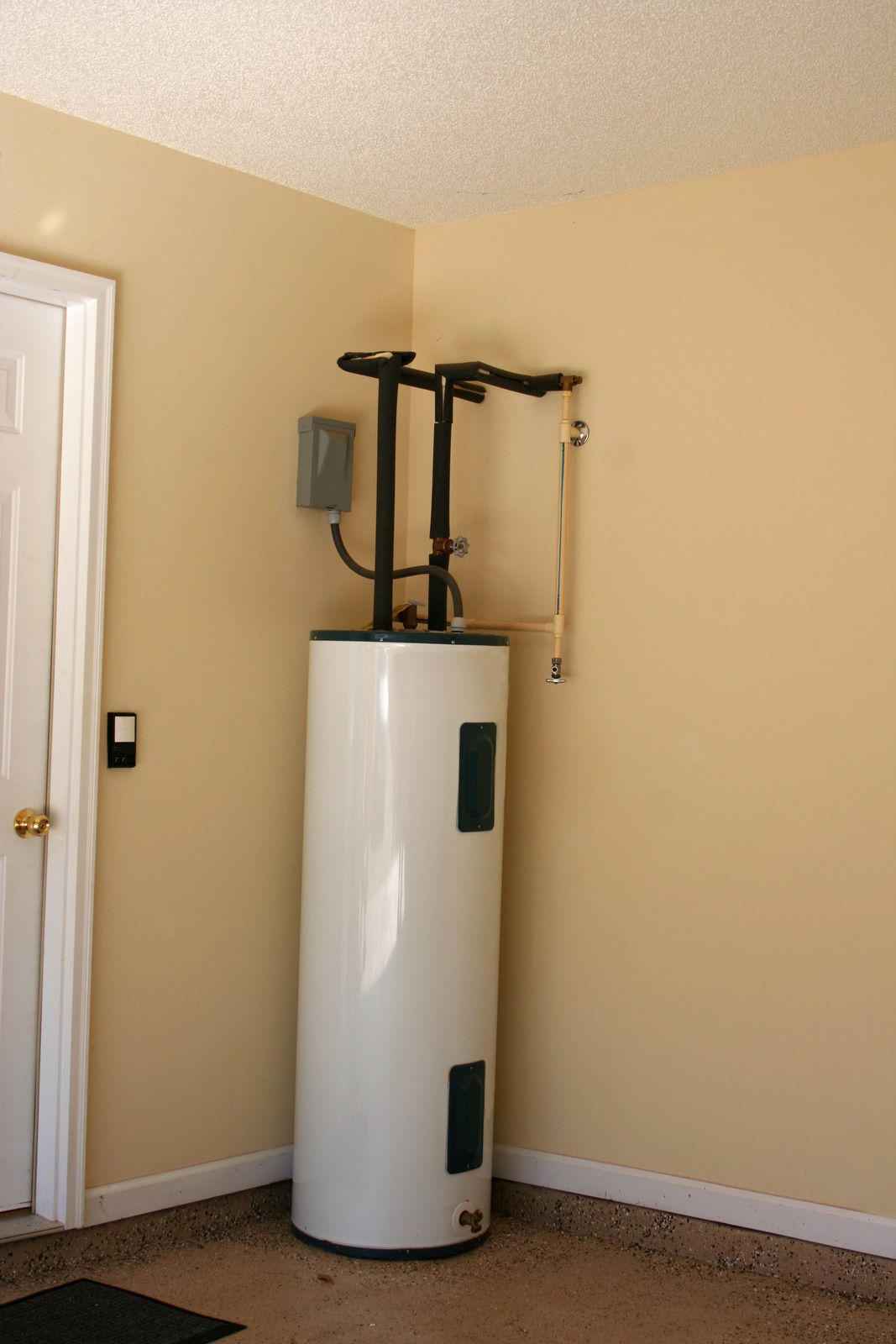
Electric water heaters use upper and lower heating elements with separate thermostats. The upper element heats first, then the lower element warms most of the tank. Since the lower element handles daily demand, a failure there reduces available hot water while making the heater appear normal during lighter usage.
Lose the lower element and only the top third stays hot
A failed lower element leaves only the upper section heated, creating a small hot water pocket. Light daytime use may seem normal, but morning showers quickly drain that limited supply. The lower tank remains cold, causing sudden temperature drops until the heater slowly recovers throughout the day.
A burned-out element rarely fails at random
Heating elements usually fail from age, mineral buildup, or damage caused by dry firing. Sediment can insulate the element and increase stress over time. Testing the lower element and thermostat confirms whether failure is causing reduced capacity instead of relying on assumptions or repeated resets.
When Overnight Standby Loss Meets the Morning Peak
Even a healthy tank bleeds heat while you sleep. No storage tank holds its temperature perfectly. Over a long, quiet overnight stretch, heat steadily escapes through the walls and fittings, a process called standby loss. If your thermostat is set on the low side to begin with, or the household is large relative to the tank, that overnight cooldown can be just enough to tip a borderline supply into a cold-shower morning. The tank was not broken so much as it was running with no margin, and the longest idle period of the day used up what little cushion it had.
A slightly low or drifting thermostat quietly steals your margin. A common comfortable setting lands around 49 degrees Celsius, near the 120 Fahrenheit mark many manufacturers point to. Set meaningfully below that, and every litre carries less stored heat, so the tank runs out sooner under the morning load. Thermostats can also drift out of calibration as they age, calling for less heat than the dial claims. Either way the shortfall shows up first thing in the morning, when the demand is heaviest and the water has had all night to cool.
TIP:
Before you call anyone, spend two mornings paying attention to the pattern and jot it down. Note how many minutes of hot water you get, whether it fades gradually or drops off a cliff, and whether a second shower an hour later does any better. Gradual fade under heavy morning use points more toward a shrunken reserve or standby loss, while a hard cliff after a short run points more toward a dead lower element. Handing a plumber that timing turns a broad hunt into a targeted check.
The Other Suspects Worth Ruling Out
A failing dip tube mixes cold water in at the top
The dip tube sends incoming cold water to the tank bottom for proper heating. When it cracks or deteriorates, cold water enters near the top and mixes with hot water. This causes lukewarm temperatures and quick shortages, creating symptoms similar to heating element problems even when the elements work correctly.
Gas tanks have their own overnight weak points
Gas water heaters can lose overnight performance when a pilot light, thermocouple, or burner struggles. The tank may cool more than expected before morning use begins. Once the burner operates normally, recovery is faster than electric models, allowing the heater to appear fine again by evening.
Sometimes the tank is simply outmatched
A water heater sized for fewer people may struggle after household demand increases. Additional occupants, rental spaces, or concentrated morning schedules can exceed its capacity. Older electric tanks may also lose efficiency over time, making morning shortages the first sign that replacement or resizing is needed.
How a Plumber Pins Down the Pattern
Measurement replaces guesswork
Because so many of these causes produce the same morning symptom, sorting them out takes testing rather than assumption. On an electric tank, a plumber pulls the panels and checks each element and thermostat for continuity and proper operation, which quickly reveals a dead lower element or a thermostat that is not switching. They confirm the high-limit switch has not tripped, check the thermostat setting against what the water actually measures, and look at how fast the tank recovers after a draw.
The tank itself gets a hard look, not just its parts
Draining and flushing shows how much sediment has collected and buys back capacity if hard water has been building a layer for years. If the elements test fine and the sediment is light, attention turns to the dip tube and to whether the tank is simply too small for the household it now serves. On a gas unit the checks shift to the burner, pilot, and thermocouple. What you walk away with is the actual reason your mornings go cold, whether that is a lower element to replace, a tank to flush, a dip tube to swap, or a unit that has aged past keeping up, rather than another morning of hoping it sorts itself out.
Frequently Asked Questions
Why do I have hot water at night but none in the morning?
Morning shortages happen when your tank’s hot water reserve has decreased from issues like failed elements, sediment buildup, or heat loss overnight. Evening recovery occurs because lighter use gives the heater enough time to refill.
Can a bad heating element cause hot water only in the morning?
Yes, a failed lower heating element can cause this issue because it heats most of the tank. The remaining upper element warms only a small section, providing limited hot water that quickly runs out mornings.
Does hard water make morning hot water problems worse?
Hard water worsens morning shortages by creating sediment that reduces tank capacity and covers heating elements. Over time, mineral buildup lowers efficiency and leaves less usable hot water available during heavy morning demand in winter.
Will turning up the thermostat fix it?
No, raising the thermostat will not repair failed parts, sediment, or dip tube problems. Higher temperatures may increase burn risks and trigger safety shutdowns, so fixing the actual fault is the correct long-term solution instead.
Why is this happening more now that it is winter?
Winter makes this worse because colder incoming water requires more heating time and energy. Cold basements also increase overnight heat loss, causing tanks that barely worked before to struggle when temperatures drop and demand rises.
How long does a tank take to recover after it runs out?
A gas tank usually recovers in about thirty minutes, while an electric tank may need sixty to ninety minutes after draining. Recovery time depends on tank size and heater condition, which explains delayed hot water.
Getting Dependable Morning Hot Water Back
A heater that runs hot at night and cold at dawn is not a mystery and it is not bad luck. It is a tank telling you its usable reserve has shrunk, and the heavy morning draw is simply the moment that shortfall becomes impossible to ignore. Whether the cause is a burned-out lower element leaving only the top of the tank hot, years of hard-water sediment eating into your capacity, a tired dip tube, or a unit that has quietly aged past keeping up, the pattern is readable and the fault is findable. The one move that rarely pays off is waiting and hoping, since a shrinking reserve only shrinks further as winter deepens.
Book a
water heater
diagnosis before the next cold morning in Kingston, Ontario
— When your hot water vanishes at dawn but returns by night, the tank is flagging a shrinking reserve, and every cold snap makes it worse. With 10
years of experience, Ogden Plumbing
tests each element and thermostat, checks the high-limit switch and dip tube, and flushes the hard-water sediment that Kingston-area tanks collect, so you find out exactly why your mornings go cold instead of guessing. Reach out to schedule a water heater diagnosis and get back to hot showers you can count on at seven in the morning.