Top 7 Common Bathroom and Kitchen Plumbing Mistakes — And How to Avoid Them
January 27, 2026
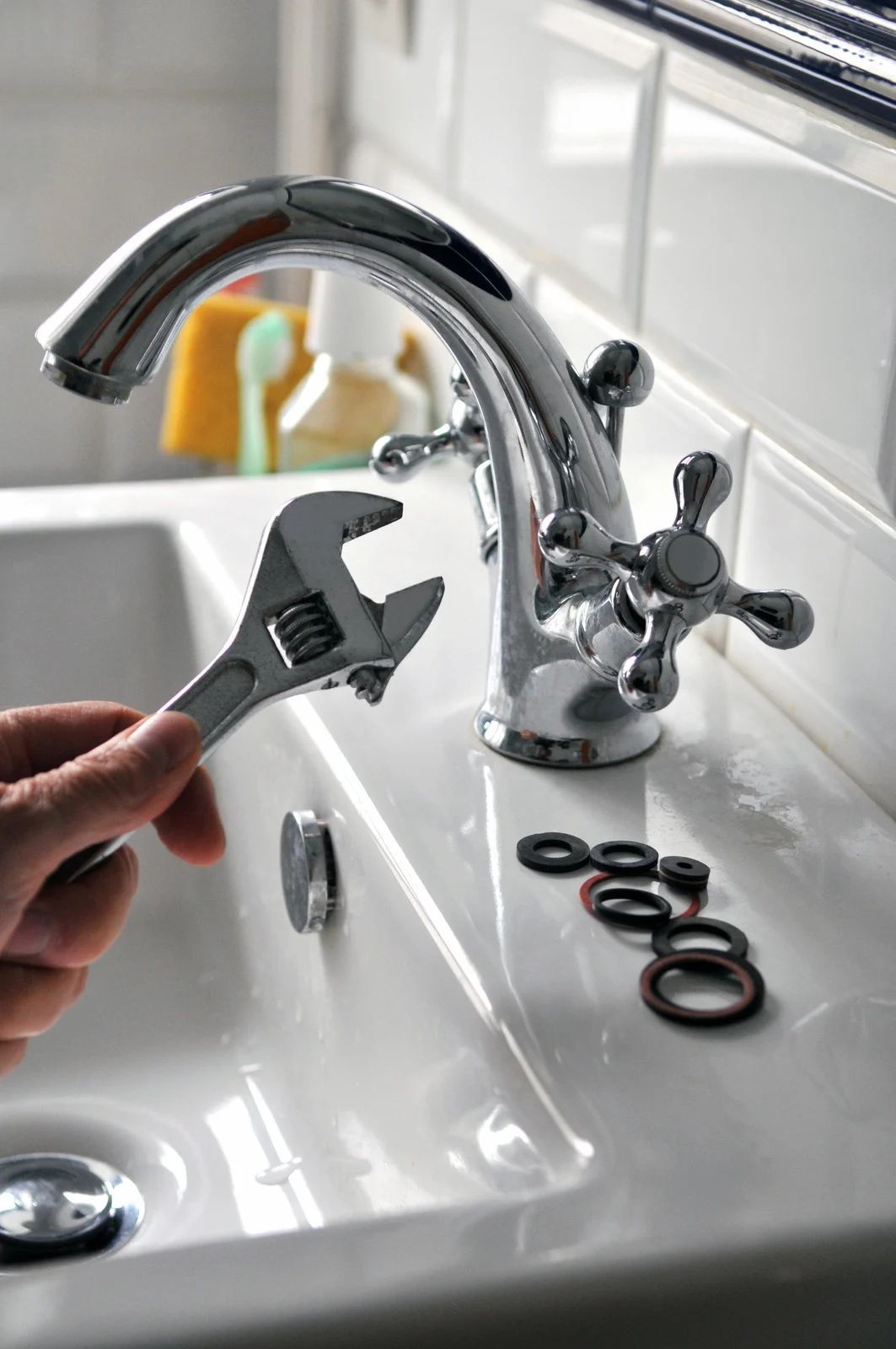
Plumbing is one of the most critical aspects of any home, yet it is often overlooked until a problem arises. Bathrooms and kitchens, in particular, are high-traffic areas where water usage is frequent, making them especially prone to plumbing issues. From leaky faucets to clogged drains, minor mistakes can quickly escalate into costly repairs if not addressed early. Understanding the most common plumbing pitfalls can save homeowners time, money, and stress. By identifying these mistakes before they occur, homeowners can adopt proactive strategies that prevent damage, maintain system efficiency, and extend the lifespan of their plumbing fixtures.
Whether you are renovating, remodeling, or simply maintaining your home, recognizing these common plumbing errors is essential. Mistakes can range from improper installation to neglecting routine maintenance, each with unique consequences. By learning how to avoid them, you ensure a smoother, safer, and more efficient plumbing system. This guide explores the top seven common plumbing mistakes in bathrooms and kitchens, offering actionable insights, expert reasoning, and practical solutions that can prevent costly disasters and improve overall home functionality.
1. Ignoring Regular Maintenance
The Cost of Neglect
One of the most frequent plumbing mistakes is failing to schedule regular maintenance on your home’s fixtures and pipes. Homeowners often assume that plumbing systems are self-sustaining until a noticeable problem occurs, underestimating potential long-term consequences. Ignoring small issues, such as slow-draining sinks or dripping faucets, can lead to severe problems like pipe corrosion, mold development, or major leaks that may require costly emergency repairs. Regular oversight is crucial for preventing small issues from escalating unnecessarily.
Proactive Maintenance Practices
- Routine Inspections: Schedule semi-annual checks for leaks, water pressure inconsistencies, and fixture wear to catch minor issues early before they worsen.
- Drain Cleaning: Use safe, non-corrosive methods to prevent clogs rather than waiting for a full blockage to develop unexpectedly.
- Fixture Replacement: Replace worn-out washers, seals, and hoses before they fail and create avoidable damage to surrounding structures.
Real-World Example
A homeowner in a Kingston kitchen ignored a slow-draining sink for several months. Over time, the minor clog led to water backing up into the cabinets, damaging woodwork and creating extensive mold growth throughout the area. Had regular maintenance been performed proactively, the clog could have been cleared with minimal effort and much lower expense.
Benefit: Regular maintenance minimizes emergency repairs, prevents structural damage, and prolongs the life of plumbing systems significantly.
2. Improper Installation of Fixtures
Common Installation Errors
Installing plumbing fixtures incorrectly is a leading cause of leaks, water damage, and poor functionality in both bathrooms and kitchens. Errors often include misaligned pipes, insufficient sealing, improper fixture placement, and failure to account for water pressure needs. Even seemingly small mistakes, such as using the wrong type of pipe for hot water lines, can result in long-term damage and additional maintenance costs that could have been easily avoided.
Best Practices for Installation
- Hire Certified Professionals: Ensure proper alignment, sealing, and connections using trained and licensed plumbing experts.
- Follow Manufacturer Guidelines: Each fixture has specific installation requirements that must be strictly adhered to for optimal performance.
- Test Before Completion: Run water through all fixtures to check for leaks, pressure inconsistencies, and functionality before finishing the project completely.
Real-World Scenario
In a bathroom remodel, a DIY enthusiast installed a new sink without securing the supply lines properly. Within weeks, a hidden leak caused water to seep into the subfloor, necessitating expensive repairs and significant inconvenience. Professional installation with precise adherence to guidelines would have prevented this issue entirely.
Challenge: While DIY installations may appear cost-saving, improper techniques often create larger expenses and potential hazards over time.
3. Using the Wrong Materials
Material Selection Matters
Choosing the wrong plumbing materials is another common mistake, particularly in bathrooms and kitchens where durability is essential. Not all pipes, fittings, or fixtures are suitable for specific applications, and improper materials can cause premature failures. For example, using PVC for hot water lines can result in pipe warping or cracking, while low-quality faucets may corrode quickly under frequent use, leading to leaks, stains, and unnecessary replacements. Material selection plays a critical role in long-term system reliability.
Material Guidelines
- Pipes: Use PEX or copper for hot water and PVC or ABS for cold water and drainage lines to ensure optimal performance and durability.
- Fixtures: Opt for corrosion-resistant metals or high-quality composite materials for faucets, sinks, and shower components to extend lifespan.
- Sealants and Adhesives: Use plumber-approved products to ensure long-term durability and prevent water infiltration around critical joints and connections.
Example of Consequence
A kitchen renovation used substandard faucets that corroded within two years, leading to leaks, water stains, and continuous maintenance issues. Selecting higher-grade materials initially could have prevented recurring problems and ensured fixture longevity for years without added stress.
Benefit: Correct material selection ensures durability, prevents leaks, and reduces future repair costs, saving time and resources significantly.
4. Ignoring Proper Drainage and Venting
The Importance of Drainage
Incorrectly designed drainage systems or inadequate venting can cause slow drains, gurgling pipes, backups, and even sewer gas odors in bathrooms and kitchens. Homeowners often focus primarily on aesthetics without considering proper slope, pipe diameter, vent placement, or airflow requirements. Neglecting these essential factors can compromise system efficiency and create recurring maintenance issues, affecting the functionality and safety of the plumbing network.
Tips for Effective Drainage
Correct Pipe Slope: Ensure horizontal drains have a slope of 1/4 inch per foot to facilitate proper flow and prevent standing water.
Adequate Venting: Install vent pipes to allow air circulation, prevent vacuum formation, and improve drainage efficiency for all fixtures.
Avoid Sharp Turns: Reduce 90-degree angles that can trap debris, restrict water flow, and lead to clogs over time.
Real-World Scenario
In a newly renovated bathroom, the shower drain was installed without proper venting. The result was frequent slow drainage and persistent unpleasant odors throughout the bathroom. Correcting the venting and slope immediately resolved the issue and restored proper function.
Challenge: Neglecting drainage principles can lead to persistent plumbing problems that affect the entire home system, requiring costly retrofits.
5. Overlooking Water Pressure Issues
Why Water Pressure Matters
Both high and low water pressure can damage plumbing systems over time. Excessive pressure may stress pipes, joints, and fixtures, leading to leaks, ruptures, and appliance malfunctions. Conversely, low pressure can reduce efficiency, impair appliance function, and create unsanitary conditions due to incomplete drainage or limited flow. Monitoring and managing water pressure is essential for maintaining overall system performance.
How to Manage Pressure
- Install Pressure Regulators: Maintain water pressure within the optimal range of 40–60 psi to avoid stressing plumbing infrastructure.
- Routine Monitoring: Check water pressure periodically using a gauge to detect fluctuations and prevent potential damage.
- Professional Adjustments: Consult a licensed plumber if pressure inconsistencies persist to ensure safe, long-term operation.
Example Scenario
A homeowner ignored fluctuating pressure in their kitchen for months. High pressure caused a joint to rupture behind the dishwasher, flooding the kitchen and damaging cabinets, flooring, and surrounding areas. Proper monitoring and regulation could have prevented this costly mishap entirely.
Benefit: Maintaining appropriate water pressure protects plumbing infrastructure, ensures appliance longevity, and enhances daily water usage efficiency consistently.
6. Neglecting Proper Sealing and Waterproofing
The Risk of Water Damage
Bathrooms and kitchens are highly susceptible to water exposure and damage. Failing to seal joints, edges, and seams can allow water to penetrate walls, floors, and cabinets, leading to rot, mold growth, and long-term structural damage. Even small leaks, if left unaddressed, can escalate into major issues that compromise home safety and require costly remediation efforts.
Best Practices for Sealing
- Use High-Quality Caulking: Apply to sinks, tubs, showers, backsplashes, and other wet areas to prevent water infiltration.
- Check Seal Integrity: Inspect seals periodically for cracking, peeling, or deterioration to maintain continuous protection.
- Waterproof Substrates: Ensure countertops, floors, and walls are protected with waterproof membranes where necessary to prevent hidden leaks.
Real-World Example
A bathroom renovation omitted sealing the area around the bathtub. After several weeks of heavy usage, water seeped into the subfloor, causing mold growth and necessitating costly floor replacement. Proper sealing and waterproofing would have prevented this issue entirely.
Challenge: Water infiltration is often invisible at first, making it crucial to implement preventative measures proactively and consistently.
7. Treating Plumbing Emergencies as DIY Fixes
Why DIY Can Make It Worse
While basic plumbing maintenance is manageable for many homeowners, attempting to fix plumbing emergencies without proper expertise is a common and costly mistake. Burst pipes, sewer backups, hidden leaks, and malfunctioning shut-off valves require immediate and precise action. DIY attempts often involve temporary fixes, incorrect parts, or improper techniques that can worsen the problem, increase water damage, and even violate local plumbing codes. What starts as a small issue can quickly spiral into a full-scale repair nightmare.
When to Call a Professional
- Recurring Problems:
If the same clog, leak, or backup keeps returning, the underlying issue likely requires professional diagnosis and repair.
- Hidden or Structural Leaks:
Water stains, musty odors, or unexplained increases in water bills often indicate leaks behind walls or under floors.
- Emergency Situations: Burst pipes, overflowing toilets, or sewer smells should be addressed immediately by licensed plumbers to prevent health and safety risks.
Real-World Scenario
A Kingston homeowner attempted to repair a leaking kitchen pipe using mismatched fittings and temporary sealant. The repair failed overnight, causing extensive flooding and damage to cabinetry and flooring. A licensed plumber later discovered the pipe had been improperly cut and installed, doubling the repair cost. Prompt professional intervention from the start would have minimized damage and expense.
Benefit: Knowing when to step back and call a professional prevents further damage, ensures code-compliant repairs, and protects your home from avoidable emergencies.
Expert Plumbing Services Ensuring Home Efficiency And Safety
Avoiding common plumbing mistakes is critical for maintaining a functional, efficient, and safe bathroom and kitchen. From neglecting regular maintenance to ignoring water pressure, improper drainage, and material selection, these errors can escalate quickly into costly repairs. Understanding the risks and implementing preventative strategies, such as proper installation, sealing, venting, and appliance compatibility, ensures long-term durability and reliability of your plumbing systems. By applying expert-recommended practices, homeowners can enjoy peace of mind, minimize disruptions, and protect their investments.
Ogden Plumbing
in Kingston, Ontario, has over 10
years of experience providing
comprehensive plumbing services
for both residential and commercial clients. Our team specializes in expert installations, preventative maintenance, and fast, reliable repairs for bathrooms and kitchens. We focus on delivering high-quality workmanship, using durable materials, and offering personalized solutions tailored to your property’s unique needs. With Ogden Plumbing, you gain a trusted partner dedicated to preventing plumbing disasters, maximizing system efficiency, and ensuring long-lasting peace of mind for your home or business.