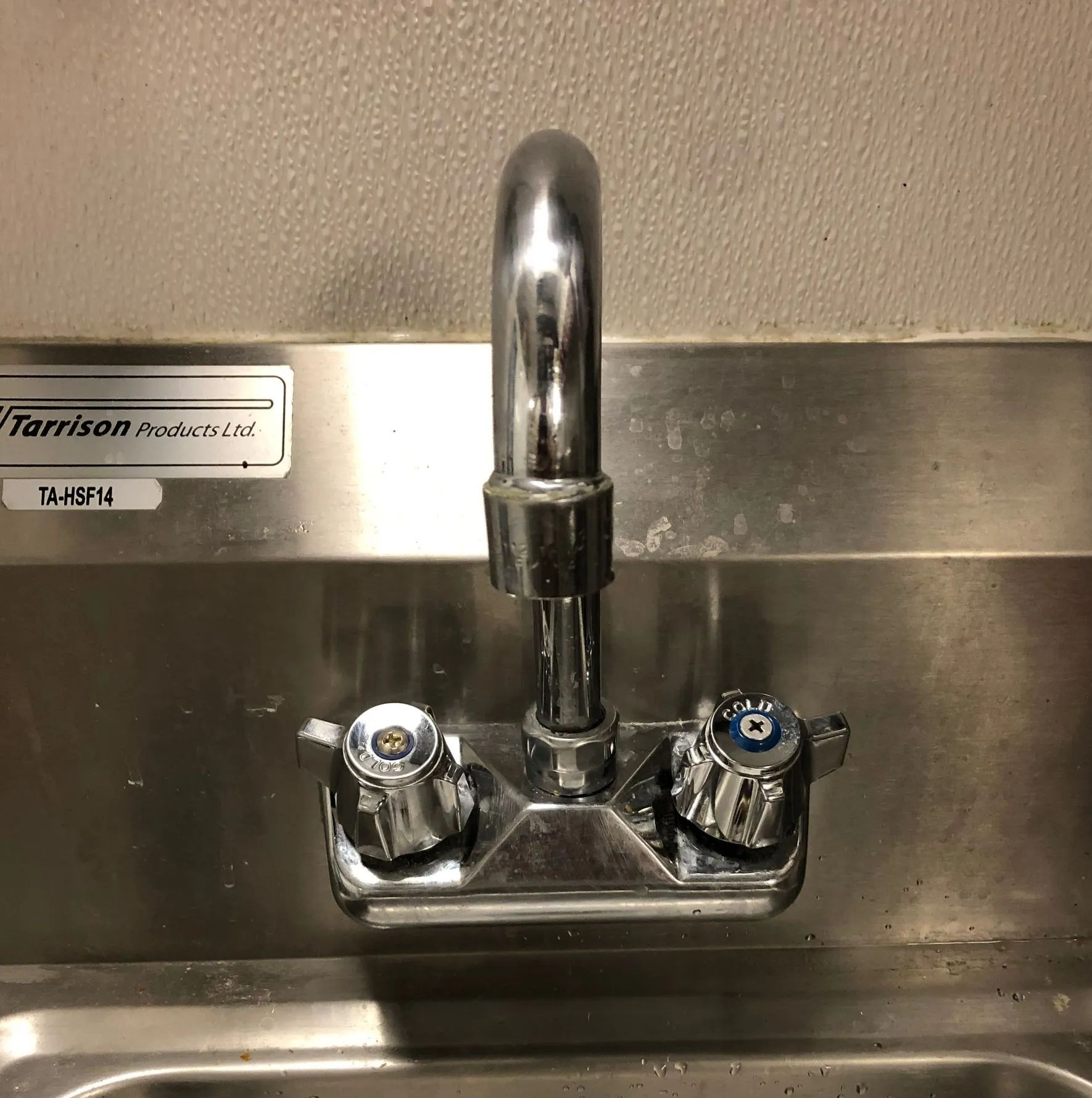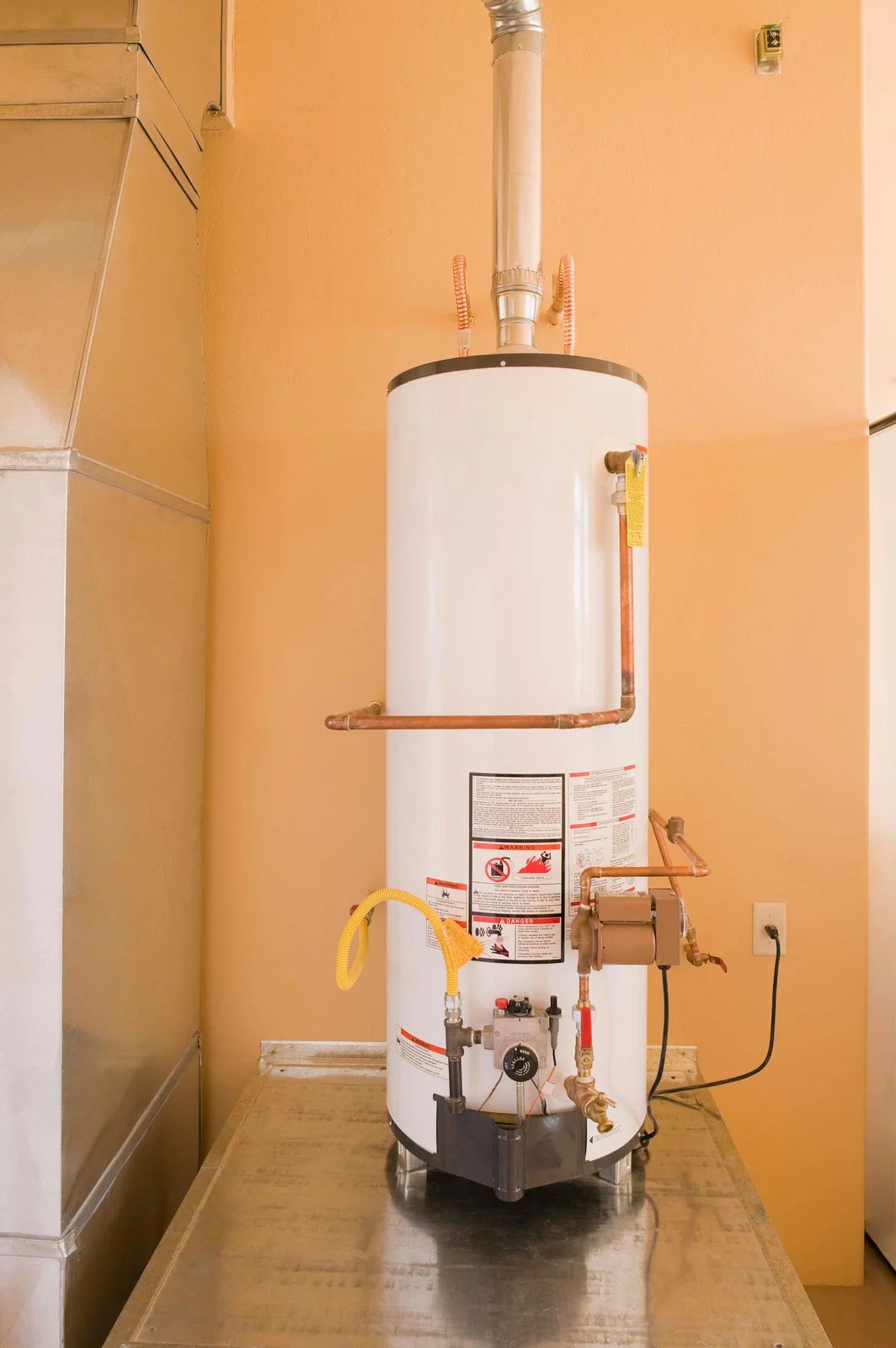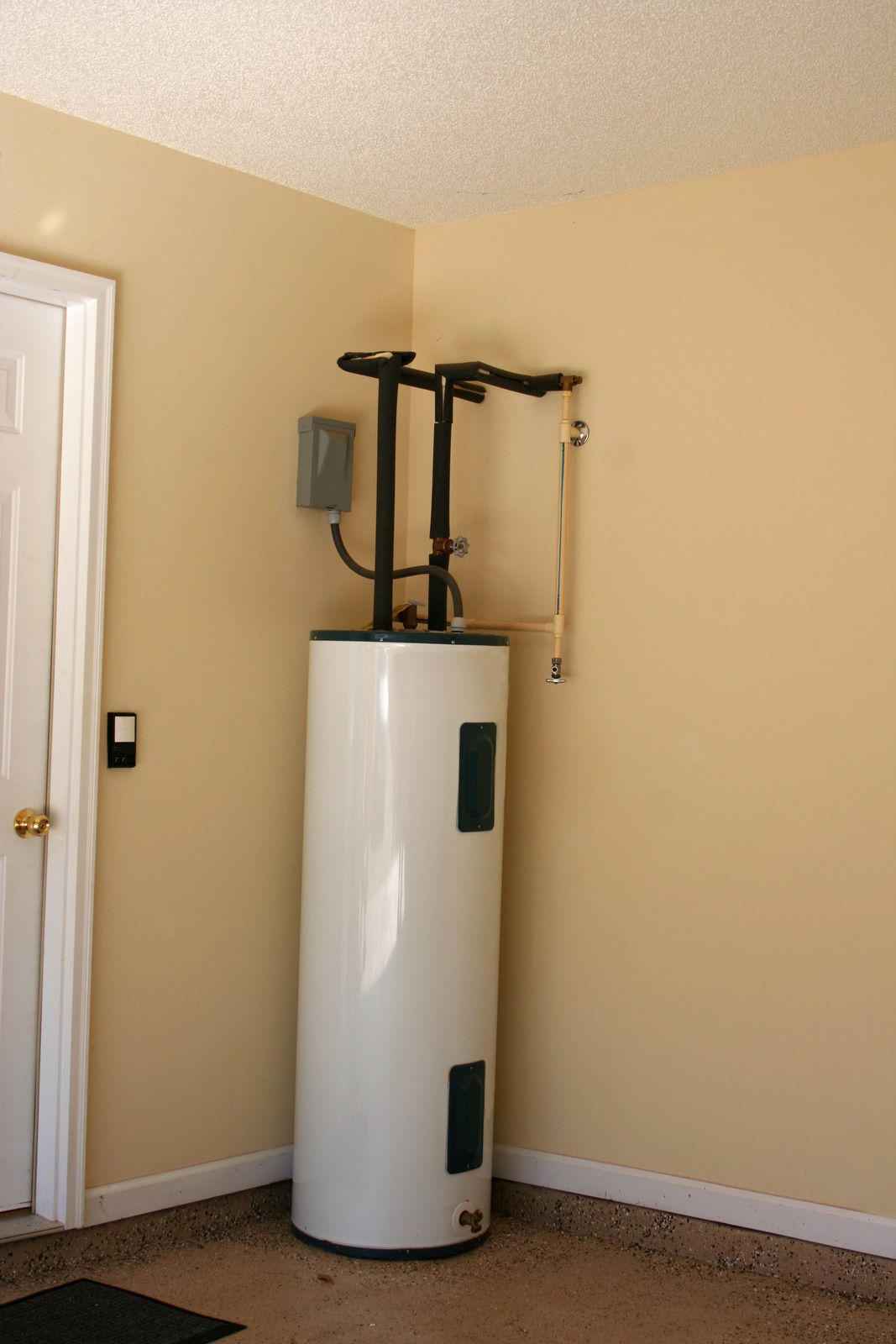
Water Heater Failure or Pipe Burst? Steps to Reduce Damage Quickly
December 27, 2025
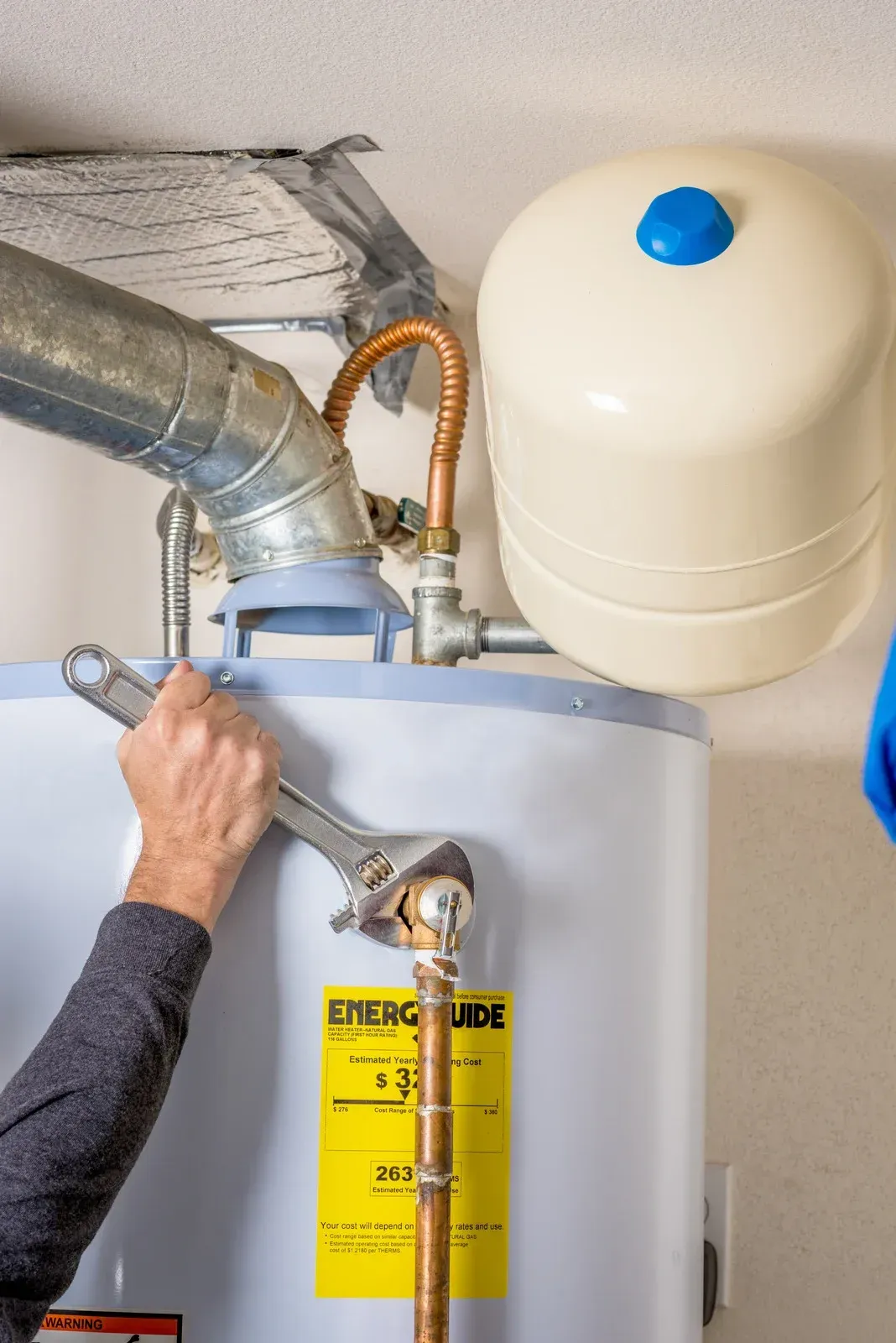
Home plumbing emergencies can strike without warning, often leaving homeowners scrambling to control damage before costs escalate. Among the most disruptive incidents are water heater failures and pipe bursts, both of which have the potential to cause extensive water damage, property loss, and long-term structural issues. Recognizing the early signs and understanding how to respond promptly can make a critical difference in mitigating the impact of these emergencies. In today’s modern homes, where plumbing systems are complex and integrated, quick action isn’t just helpful—it’s essential.
Water heater malfunctions and pipe bursts may share similar consequences, such as flooding or water damage, but they stem from different causes and require distinct responses. A water heater failure often results in uncontrolled leaks or even complete tank rupture, while a pipe burst can occur anywhere in the system due to corrosion, freezing, or sudden pressure spikes. For homeowners and property managers, having a clear step-by-step strategy to address these issues can save both time and money. This guide provides practical insights, immediate actions, and long-term prevention strategies to help you respond effectively when your plumbing system fails. By understanding the mechanics behind these failures and acting quickly, you can minimize damage and restore normalcy to your home efficiently.
Recognizing Early Warning Signs
- Unusual Sounds and Leaks
One of the first indicators of potential water heater failure is the presence of unusual sounds such as banging, hissing, or popping. These noises often signal sediment buildup or pressure issues inside the tank. Similarly, slow leaks around the base of your water heater or along your home’s piping system may suggest corrosion, weakened seals, or developing fractures that can escalate if left unaddressed.
- Temperature Fluctuations
Another warning sign is inconsistent water temperature. If your water heater suddenly produces lukewarm water instead of the expected hot flow, it may indicate failing heating elements, sediment buildup, or thermostat malfunctions. In pipe systems, inconsistent water pressure can also signal leaks or partial blockages that could lead to burst pipes under stress.
- Real-World Scenario
Consider a homeowner who notices a slight puddle near their water heater and occasional rattling sounds from the tank. Ignoring these signs can result in a catastrophic tank rupture, flooding the basement, damaging flooring, and necessitating expensive repairs. Early detection and immediate action can prevent this chain reaction, saving both money and stress.
- Best Practices
Regular inspections of plumbing and water heating systems are crucial. Homeowners should visually inspect pipes for discoloration, corrosion, or moisture and monitor water heater performance monthly. Scheduling routine professional maintenance can detect issues before they escalate, providing peace of mind and preventing major emergencies.
Immediate Steps to Minimize Damage
Shut Off the Water Supply
The first and most critical step when facing a water heater failure or pipe burst is to stop the flow of water. Locate the main water shut-off valve in your home and turn it off immediately. This simple action can prevent further flooding and limit damage to your property.
Cut Off the Power or Gas
If the emergency involves a water heater, it’s essential to shut off the power supply to electric units or the gas supply to gas-powered units. Continuing to operate a compromised water heater can lead to electrical hazards, gas leaks, or even explosions in extreme cases.
Contain the Water
Use buckets, towels, or a wet-dry vacuum to manage standing water. In the case of a pipe burst, placing containers under leaks and creating temporary barriers with towels or plastic sheeting can help limit damage to flooring and furniture.
Real-World Example
In a winter scenario, a frozen pipe bursts while the homeowner is away. Immediate neighbors notice the leak, shut off the main valve, and contain the water using towels and a portable vacuum. This rapid response prevents water from seeping into the foundation and causing extensive structural damage.
Expert Advice
Plumbing professionals emphasize that speed is critical. Even a small delay can result in thousands of dollars in repair costs. Having a household emergency kit with basic tools, a flashlight, and water containment materials can make a significant difference during these high-stress situations.
Assessing the Damage
- Inspect Structural Impact
After the immediate threat is contained, the next step is to evaluate the extent of water damage. Check walls, flooring, and ceilings for signs of swelling, staining, or soft spots. Structural compromise may not be immediately visible, especially if water has seeped behind walls or under floorboards.
- Check Electrical Systems
Water infiltration near electrical outlets, appliances, or wiring poses a significant safety risk. Avoid touching wet areas connected to electricity and contact a licensed electrician to assess potential hazards. In many cases, power should remain off until all moisture is removed and the affected systems are inspected.
- Document the Damage
Take detailed photos and notes of the affected areas, the severity of leaks, and any damaged belongings. This documentation is essential for insurance claims and for providing contractors with accurate information for repair estimates.
- Benefits of Proper Assessment
A thorough damage assessment allows homeowners to prioritize repairs, prevent secondary issues like mold growth, and communicate effectively with insurance providers. Skipping this step often leads to overlooked damage, resulting in recurring problems and higher restoration costs.
Professional Intervention and Repairs
Water Heater Repairs
For water heater failures, professional plumbers can diagnose the root cause, whether it’s a failed heating element, corroded tank, or pressure relief valve malfunction. Depending on the severity, repair may involve replacing parts or installing a new water heater entirely.
Pipe Replacement or Repair
Burst pipes typically require immediate repair or replacement. A licensed plumber will determine whether the pipe can be patched or if a full section replacement is necessary. Using high-quality materials and proper installation techniques ensures longevity and reduces the risk of future bursts.
Long-Term Benefits of Professional Service
Hiring professionals ensures that repairs meet local codes, maintain home safety, and prevent recurring problems. Expert intervention can also include preventive measures, such as installing water leak detection systems or upgrading aging infrastructure to modern standards.
Example Scenario
A family experienced repeated leaks from old copper pipes. After calling a plumber, the damaged sections were replaced with durable PEX piping, reducing the likelihood of future bursts and improving overall water flow throughout the home. This proactive approach minimized long-term repair costs and increased home safety.
Preventive Measures to Avoid Future Emergencies
- Routine Maintenance
Regular water heater servicing, such as flushing out sediment, inspecting anode rods, and testing pressure relief valves, can significantly extend the lifespan of your unit and prevent sudden failure. Similarly, inspecting pipes for corrosion, leaks, and freezing potential can help homeowners take action before an emergency occurs.
- Install Water Detection Devices
Modern technology offers smart water leak sensors that alert homeowners to leaks immediately via smartphone notifications. Installing these devices near water heaters, under sinks, or near main pipes provides early warning and allows for a rapid response before damage escalates.
- Insulate Pipes
In regions with cold winters, pipe insulation is essential to prevent freezing and potential bursting. Foam sleeves, heat tape, or even simple wrapping can protect vulnerable sections of plumbing exposed to low temperatures.
- Expert Reasoning
Industry experts emphasize that proactive measures, while requiring upfront investment, often save homeowners substantial amounts in emergency repair costs. Preventive actions also reduce insurance claims, which can influence premiums and long-term home value.
- Real-World Scenario
In Ontario, harsh winters frequently cause frozen pipe incidents. Homeowners who invested in pipe insulation and leak detection devices avoided extensive water damage during a particularly cold January, illustrating the tangible benefits of preventive strategies.
Handling Insurance and Restoration
Contact Your Insurance Provider
Once immediate safety and containment measures are in place, inform your home insurance provider about the incident. Many policies cover water damage from sudden pipe bursts or appliance failures, but timely reporting ensures claims are processed efficiently.
Engage Restoration Professionals
For extensive water damage, professional restoration services may be necessary. These specialists can remove standing water, dry affected areas, and remediate mold growth, restoring the home safely and effectively.
Document All Repairs
Maintain records of all professional services, invoices, and materials used during repairs. This documentation can support insurance claims and help track future maintenance needs.
Benefits of Expert Restoration
Restoration professionals prevent secondary damage, such as mold or structural decay, which homeowners might overlook. Their expertise ensures that repairs are thorough, restoring property value and safety without compromising long-term integrity.
Reliable Ogden Plumbing Services Ensure Lasting Home Safety
Water heater failures and pipe bursts are among the most urgent and damaging plumbing emergencies homeowners can face. Recognizing early warning signs, acting immediately to shut off water and power, and containing leaks can dramatically reduce damage. Assessing the structural and electrical impact, documenting losses, and engaging professional plumbing services are critical steps for effective recovery. Long-term preventive measures, including routine maintenance, leak detection devices, and pipe insulation, further safeguard your home against unexpected failures, ensuring peace of mind and avoiding costly repairs.
At Ogden Plumbing, based in Kingston, Ontario, we bring over 10 years of dedicated experience in addressing plumbing emergencies efficiently and reliably. Our team specializes in rapid response to water heater failures and pipe bursts, providing expert repairs, preventive solutions, and professional restoration guidance. We pride ourselves on combining technical expertise with personalized service, ensuring every homeowner receives practical advice and trustworthy solutions. When water emergencies strike, Ogden Plumbing stands ready to protect your home and restore comfort with confidence.